Your Personal Year Number, and What a Nine Year Cycle Asks
A personal year is your birth month and day added to the current year and reduced. It runs a nine year cycle, and the most useful thing about it is that you can check it against years you have already lived.
Direct answer
Short version
Reduce your birth month, your birth day and the current year each on its own, add the three, and reduce the total, keeping 11, 22 and 33 as master years. A 1 year is read as beginning, 9 as completion, and the seven between them as the arc from one to the other. Practitioners disagree about whether the year turns on the first of January or on your birthday, which is worth settling for yourself before reading anything into it; the Almanac’s calculators turn it on the first of January.

What could this mean for your life?
Explore your recurring patterns, what matters to you, and a way forward. Your reading uses your own birth details.
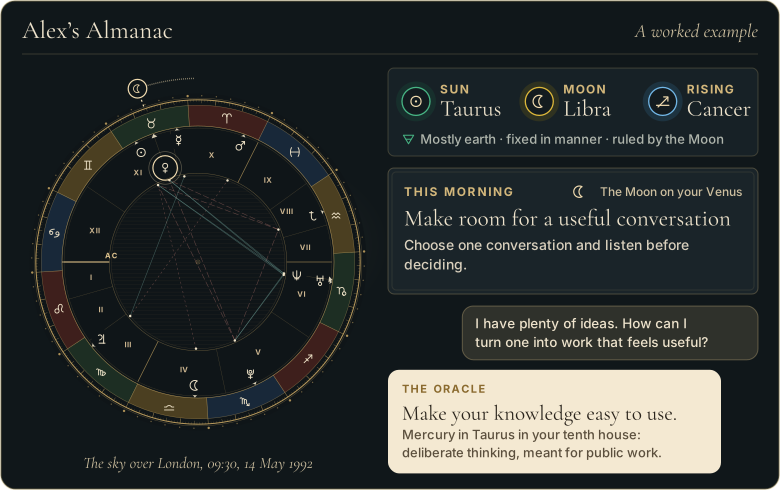
Walk through Alex’s whole example first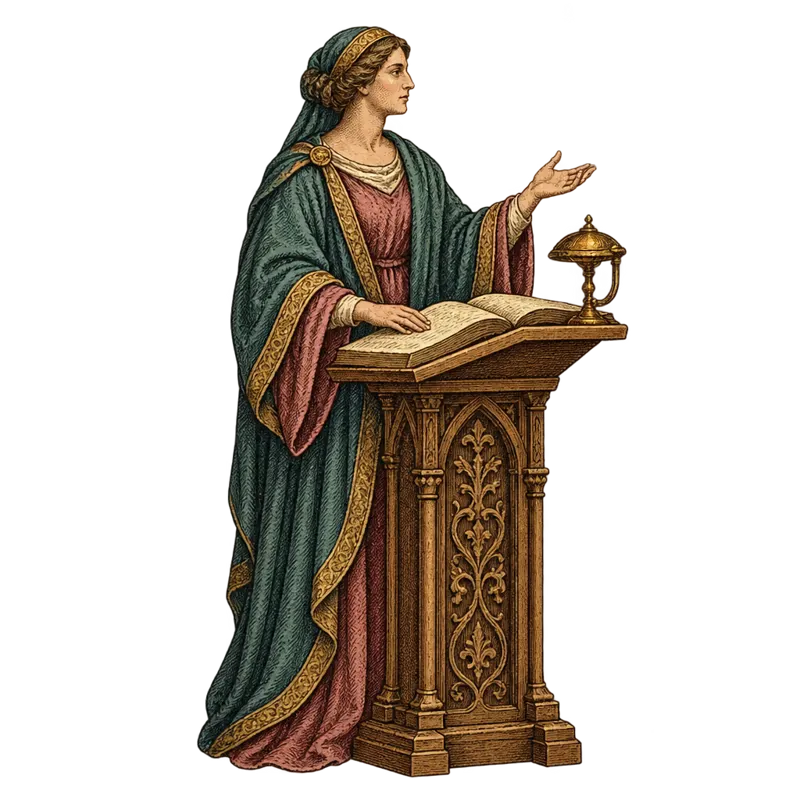
 The Road of AgesSee the turning points of your whole life, from your birth date
Free first look
The Road of AgesSee the turning points of your whole life, from your birth date
Free first look
Prefer to explore first?
 The Road of AgesThe turning points of your whole life, from your own chart
Walk my road
The Road of AgesThe turning points of your whole life, from your own chart
Walk my road
Visual guide
Your Personal Year Number, and What a Nine Year Cycle Asks
How the number is found
Take the month and day of your birth and the year you are in. For example, a birth on the fourteenth of July in the year 2026 gives 7 plus 14 plus 2026, which reduces to 7 plus 5 plus 1, that is 13, then to 4: a personal 4 year. The arithmetic is trivial and worth doing by hand once, because it shows you plainly that the number depends on your birth date and the calendar and nothing else. Two people born on the same day are always in the same personal year, whatever else is different about their lives.
What the nine are read to ask for
A 1 year is read as beginning, and as the year whose choices the following eight will be spent inside. A 2 year asks for patience and partnership, a 3 for expression, a 4 for the unglamorous building that everything later rests on. A 5 brings movement and change, a 6 responsibility and care, a 7 study and withdrawal, an 8 authority and consequence, and a 9 completion and release before the cycle begins again. The tradition reads them as a single arc rather than nine independent moods, which is why a year is easiest to understand from the ones on either side of it.
When the year turns
There is no settled answer. Some practitioners run the personal year with the calendar, since the calendar year is in the calculation; others turn it on the birthday, arguing that a personal cycle should begin personally. Both are defended in print and they give different answers for anybody not born in January. The practical resolution is to pick one, write down which, and stay with it long enough to test. Switching between conventions to find the reading you prefer is the fastest way to make a symbolic practice unfalsifiable and therefore useless.
Testing it against a life you remember
This is the rare symbolic technique you can check immediately, because you have already lived a dozen of these years. Work out your personal year for five or six memorable years and write down, from memory, what each was actually about before you look at what the number is supposed to mean. Then compare. Most people find one or two striking matches and several that say nothing, which is a real and useful result. What you must not do is read the meaning first and then search your memory for something that fits, because memory will always find it.
Concrete examples
| Example | What it means in practice |
|---|---|
| A 4 year that felt like drudgery | The description and the year agree. Note it, and note the years where they did not. |
| A 9 year with nothing ending | A miss, and worth recording as one. A cycle only means something if it can fail to fit. |
| A 1 year spent waiting | The number describes an invitation rather than an event. Nothing arrives because the arithmetic said so. |
Prayerful reflection
Let me see the year I am actually in, and let me not use a number to excuse the work it is asking for.
Related Almanac guides
More from the journal
Sources and editorial method
Research and editorial references used for this page include:
- Astrodienst: Transits - Used for the basic definition of transits as current planetary passages over birth positions.
- Astrodienst: The four Elements - Used for the traditional grouping of zodiac signs by element.
This guide distinguishes traditional symbolism from calculated positions. Examples illustrate possible reflections, not predictions about a particular person.
From the reference page to your own chart
Every word here
is in your own chart.
- Your chart and numbers, read for you in about a minute
- Ask the Oracle anything about them
- Every personal tool and daily guidance
Free reading, no card needed. Optional membership: payment details required, 7 days free, then $12/month. Cancel before it renews and you pay nothing.
Common questions
Does the personal year start in January or on my birthday?
Practitioners disagree and both conventions are defended in print. Choose one, record which you chose, and keep to it, because switching between them makes the practice impossible to test.
Do master numbers apply to personal years?
Some methods keep 11 and 22 as personal years and others reduce them. As with the turn of the year, the answer matters less than saying which rule you used.
Can I plan around my personal year?
You can let it inform pacing among options that are otherwise equal, which is what timing techniques are for. It should not outrank preparation, other people, money or a deadline.