How We Use AI
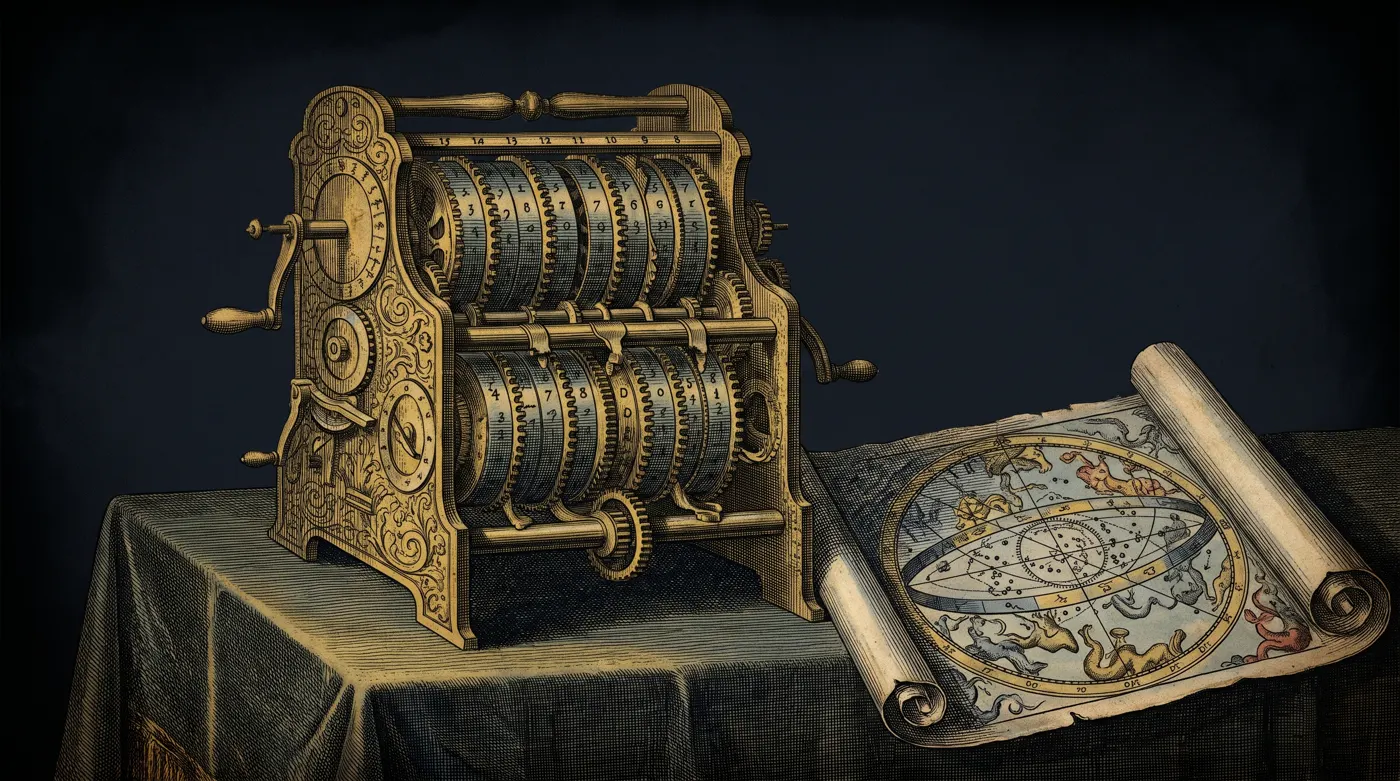
The Almanac uses AI to translate structured chart data, live timing, and user questions into plain-language guidance. AI assists interpretation; it does not become an authority above God, Scripture, conscience, or reality.
In brief
Chart data first
The best answers begin with structured inputs: birth data, current transits, houses, timing, subscription access, and recent user context.
Plain language
AI helps turn symbolic evidence into clear daily counsel, warnings, questions, and next steps.
Narration
Text-to-speech makes readings easier to use without forcing the user to read every dashboard section.
Boundaries
AI output is reflective and educational, not medical, legal, financial, therapeutic, or pastoral advice.
Why AI is useful here
Astrology, numerology, and daily reflection produce many data points. AI helps prioritize and explain them in normal language, especially when the user asks a personal Oracle question.
Where AI is limited
AI can sound confident even when a claim should be humble. The Almanac therefore frames readings as interpretation, not certainty, and points users back to agency, prayer, counsel, and practical fruit.
What users should do with an answer
Treat every response as a mirror and prompt. Ask whether it is specific, grounded, peaceful, responsible, and useful. Reject anything that produces panic, obsession, pride, or passivity.
Why this matters in practice
A useful reading should never feel like a vague mood board. It should show what data is being used, why a theme is timely, what the user can do next, and where the limits of interpretation are. That is the difference between content that entertains for a moment and guidance a person returns to every morning.
This page exists to make the product easier to trust. Visitors should understand what the Almanac is doing before they create an account: it calculates chart data, compares timing, writes in plain language, and keeps the interpretation limited. The result should feel specific without pretending to be absolute.
Specific
A chart-based reading names placements, transits, timing, and life areas instead of speaking to everyone at once.
Explainable
The best guidance shows its work: what sky contact or chart pattern supports the interpretation.
Actionable
Every reading should end in a choice: repair, wait, speak, build, rest, pray, or move.
What a reader should do next
- Start with one focused tool to see whether the interpretation feels useful.
- Compare the public guide with your birth chart so the topic becomes personal.
- Use daily timing for reflection and action, not fear or fatalism.
- Open Active Transits when you want the strongest current contacts ranked for your chart.
What this page is not
It is not medical, legal, financial, therapeutic, or pastoral advice. It is also not a claim that symbolic interpretation can replace direct responsibility. The purpose is educational: to make the Almanac's method, limits, and user journey clear before someone decides to create an account.
Choose the tool that makes this personal
This guide becomes practical through Theme of the Day, Active Transits, Fellowship, Daily Counsel, and Ask the Oracle. The public page explains the concept; each focused tool applies it to the user's own chart and current timing.
Put this insight to work
Browse the public tool cabinet and choose only the instrument that fits your question.
Browse the free toolsCommon questions
Is this a replacement for professional advice?
No. The Almanac is reflective and educational. It does not replace medical, legal, financial, pastoral, or mental-health counsel.
Why does personalization matter?
The same sky lands differently in different charts. Personalization keeps the guidance from becoming generic.
Why start with one focused tool?
It lets you test the method on the question you already have before deciding whether you want a wider reading.