
Melchizedek, king of Salem
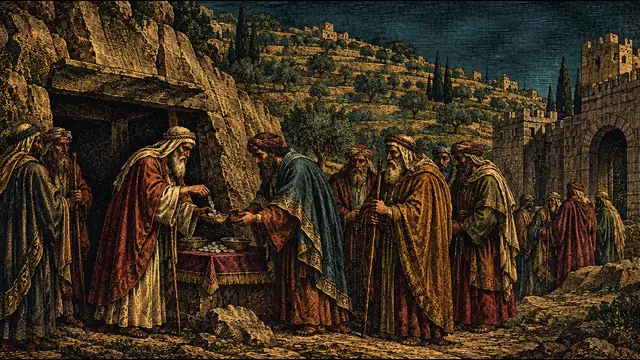
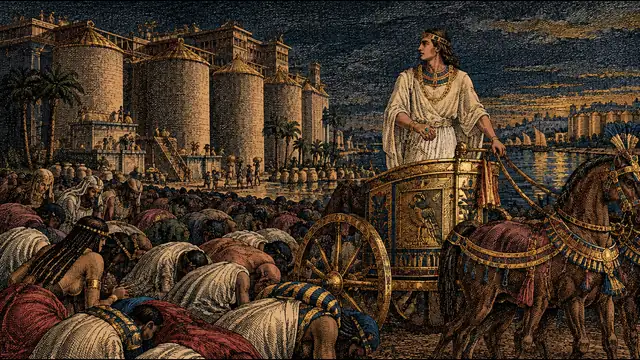
After Abram rescued Lot from the kings of the east, a priest-king came out to meet him with bread and wine: Melchizedek, king of Salem, priest of the most high God, who blessed him.
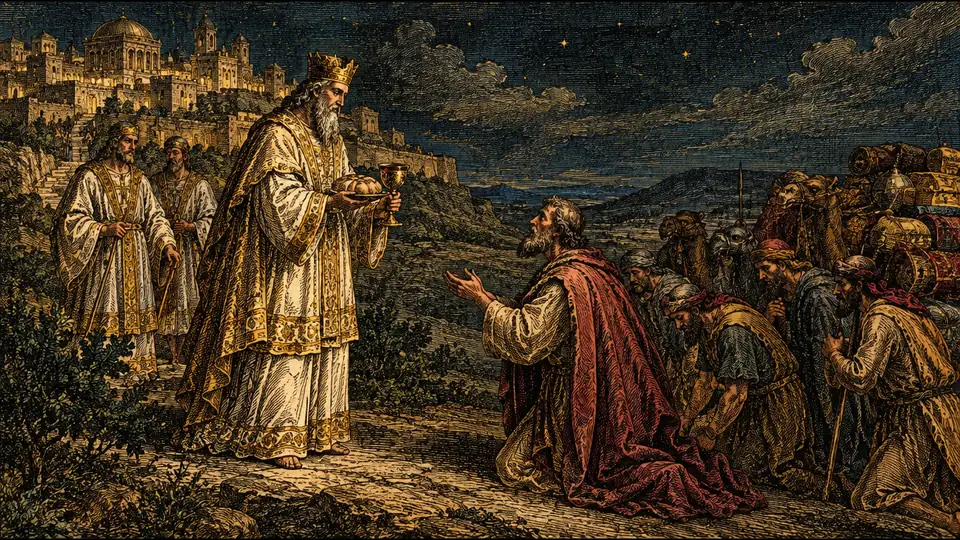
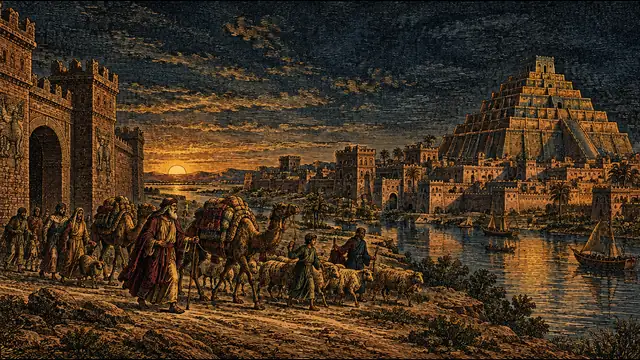
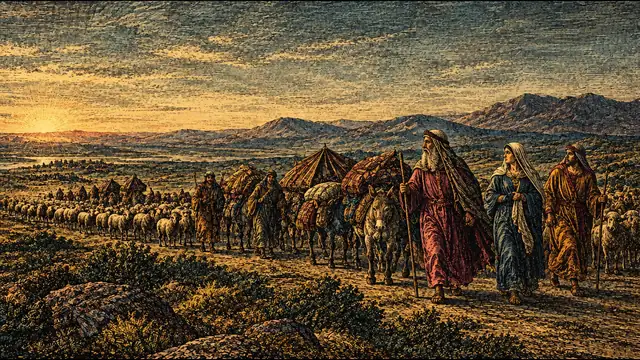
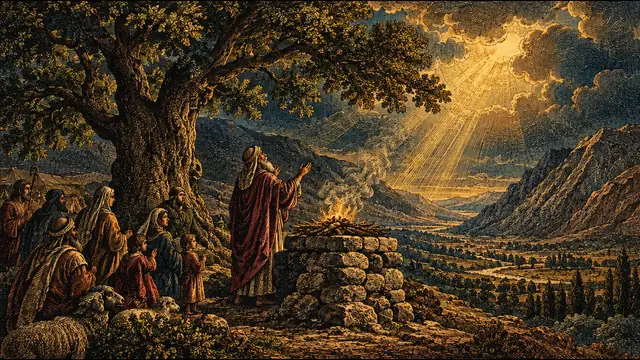
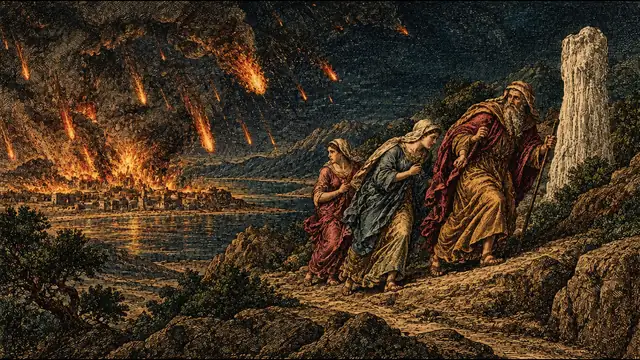
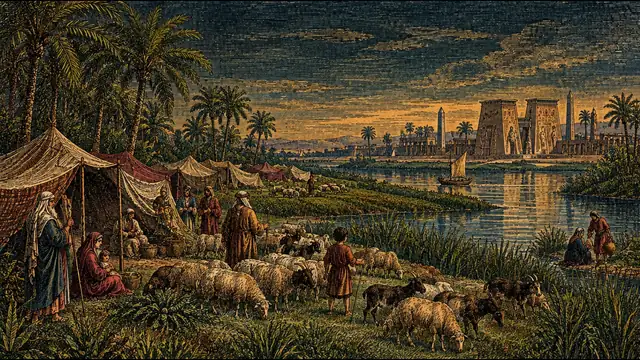
Press play: the paintings change with the story and the words come as the narrator reads them. The whole story is written out below.
Now playing: Melchizedek, king of Salem
The whole story
He appears in three verses and is gone. Abram gave him a tenth of all he had taken, while the king of Sodom, who came out at the same time, got nothing but Abram’s refusal of his goods. No father or mother is named for Melchizedek, no birth and no death, which was strange for a man of such rank in Genesis. A psalm sets Salem beside Zion: “In Salem also is his tabernacle, and his dwelling place in Zion” (Psalm 76:2).
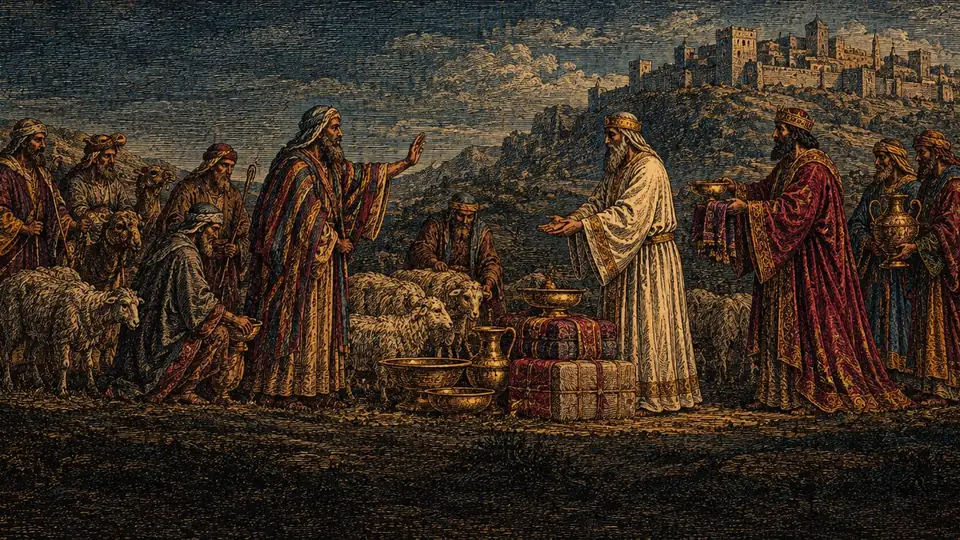
A psalm of David names him again: “Thou art a priest for ever after the order of Melchizedek” (Psalm 110:4). The letter to the Hebrews takes up that line and makes him a picture of Christ, king of righteousness and king of peace, “Without father, without mother, without descent, having neither beginning of days, nor end of life” (Hebrews 7:3).
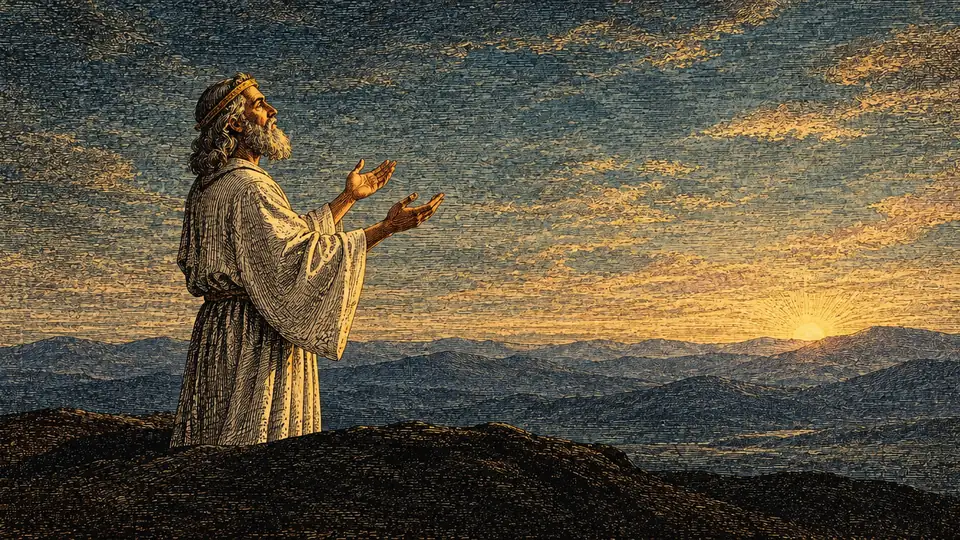
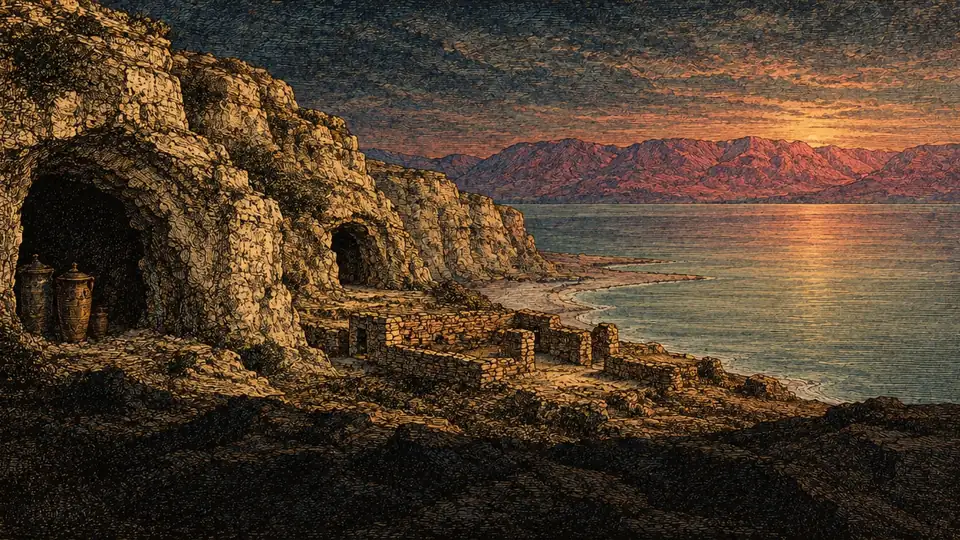
Among the Dead Sea Scrolls is a text that makes Melchizedek a heavenly figure who brings judgment at the end of days, and some early groups took him for an angel. Jewish tradition named him Shem, the son of Noah, still alive in Abram’s day. Most of the church fathers read him as a real king and priest, honored by God before there was any priesthood in Israel.
And Melchizedek king of Salem brought forth bread and wine: and he was the priest of the most high God.
Genesis 14:18, KJV
Where it happened
Jerusalem (site likely).
Salem is usually taken to be Jerusalem, as a psalm pairs the two names; the mark stands at Jerusalem.
Every story stands at its place on the Worldwide Watch map: the Bible’s world, on the map.
More from the fathers
Genesis 12 to 50
Sources and editorial method
Research and editorial references used for this page include:
- The King James Bible, as published by bible-api.com
- The Book of Enoch, translated by R. H. Charles (1917), Project Gutenberg
Every story is told from the King James Bible, and from the Book of Enoch in R. H. Charles’s translation (1917) where a story names it. Every quotation was checked word for word against those texts. Where a place is not known, the page says so. The paintings and the narration were made for the house.

