Astrology
Vedic Astrology
Direct answer
Vedic Astrology: Vedic Astrology, also called Jyotisha, is the Indian astrological tradition that commonly uses the sidereal zodiac, lunar mansions, dashas, divisional charts, and a distinct interpretive framework.
Vedic Astrology is the Indian Jyotisha tradition with its own zodiac, timing systems, and techniques.
$0 today, then $12/month after 7 days. Cancel anytime.
At a glance
- In astrology
- Vedic astrology often prioritizes the Moon, ascendant, nakshatras, planetary periods, yogas, and sidereal sign positions.
- Found in
- Astrology
- Related
- Astrology, Birth Chart, Zodiac, Biblical Astrology
Vedic Astrology is the Indian Jyotisha tradition with its own zodiac, timing systems, and techniques.
A structural orientation; exact placements depend on the chart or technique being discussed.
What does your own chart say about you?
Choose love, work or purpose. Your reading is written from your chart. Your reading uses your own birth details.
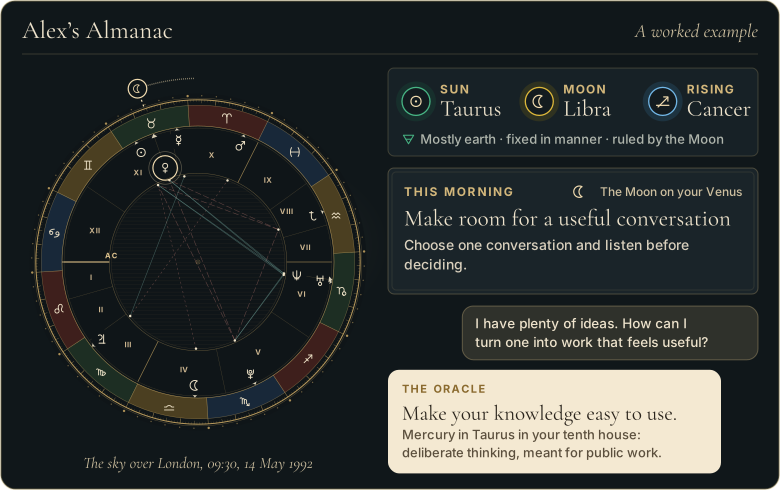
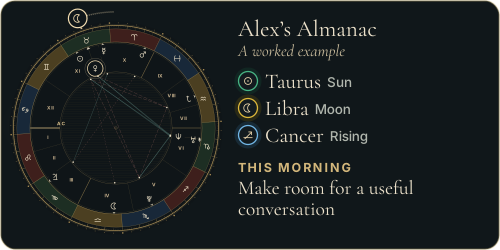
Walk through Alex’s whole example first
 The Road of AgesSee the turning points of your whole life, from your birth date
See your road's shape
The Road of AgesSee the turning points of your whole life, from your birth date
See your road's shape
Prefer to explore first?
 The Road of AgesThe turning points of your whole life, from your own chart
Walk my road
The Road of AgesThe turning points of your whole life, from your own chart
Walk my road
Free, by email
Your daily Almanac letter
One short letter at 7 each morning: the day’s theme read for your own chart, and one thing to do with it.
The story behind Vedic Astrology
Jyotisha is one of the traditional Vedangas and has a long Indian textual, ritual, calendar, and interpretive history.
A one-minute story
The Book of the Sky
How people learned to read the sky, from Babylon to the day you were born.

The spiritual meaning of Vedic Astrology
Spiritually, Vedic Astrology should be approached with cultural respect and methodological clarity.
Why Vedic Astrology matters
Vedic Astrology matters because it is not simply Western astrology with different sign dates. It has its own philosophy, calculations, predictive methods, remedial traditions, and cultural context.
Vedic Astrology in practice: an example
A person may have a tropical Aries Sun but a sidereal Pisces Sun in many Vedic calculations because the reference systems differ.
Where readings of Vedic Astrology go wrong
The usual misreading is to mix Vedic and Western methods casually without saying which system is being used.
Sources and editorial method
This entry summarizes the tradition in the Almanac's own words; where no source is listed, it is an editorial summary rather than a primary text, and symbolic readings are named as the tradition's, not as fact.
- Source
- The Great Almanac Dictionary
- Category
- Astrology
- Last updated
- 2026-09-26
Compare zodiac systems clearly
Vedic Astrology in a book is one thing; Vedic Astrology in your own birth chart is your life. The Oracle casts your real chart and tells you what it means for your love, your work, and your year ahead, in conversation. It opens with the 7-day Seeker trial.
Speak with the OracleHow Vedic Astrology lives in your own chart across your year, in love, in work, in timing, is written in the Cosmic Codex: the whole year, once. Open the Cosmic Codex
Related terms
More in Astrology
- Astrological Chart
- Composite Chart
- Electional Astrology
- Grand Square
- Light of the Time
- Moon Sign
- Primary Motion
- Solar Phase
From the reference page to your own chart
Every word here
is in your own chart.
- A personal reading about love, work or purpose, written from your chart
- A practical next step to consider
- It opens with 7 days free, with the AI Oracle and daily guidance
$0 today, then $12/month after 7 days. Cancel anytime.
Common questions
What is Vedic Astrology?
Vedic Astrology, also called Jyotisha, is the Indian astrological tradition that commonly uses the sidereal zodiac, lunar mansions, dashas, divisional charts, and a distinct interpretive framework.
Where does Vedic Astrology come from?
Jyotisha is one of the traditional Vedangas and has a long Indian textual, ritual, calendar, and interpretive history.
What does Vedic Astrology mean in astrology?
Vedic astrology often prioritizes the Moon, ascendant, nakshatras, planetary periods, yogas, and sidereal sign positions.
What does Vedic Astrology look like in a birth chart?
A person may have a tropical Aries Sun but a sidereal Pisces Sun in many Vedic calculations because the reference systems differ.
What does Vedic Astrology mean spiritually?
Spiritually, Vedic Astrology should be approached with cultural respect and methodological clarity.
Free, by email
The Almanac, in your inbox at 7
One short letter at 7 each morning: the day’s theme read for your own chart, and one thing to do with it.