Astrology
Astrology
Direct answer
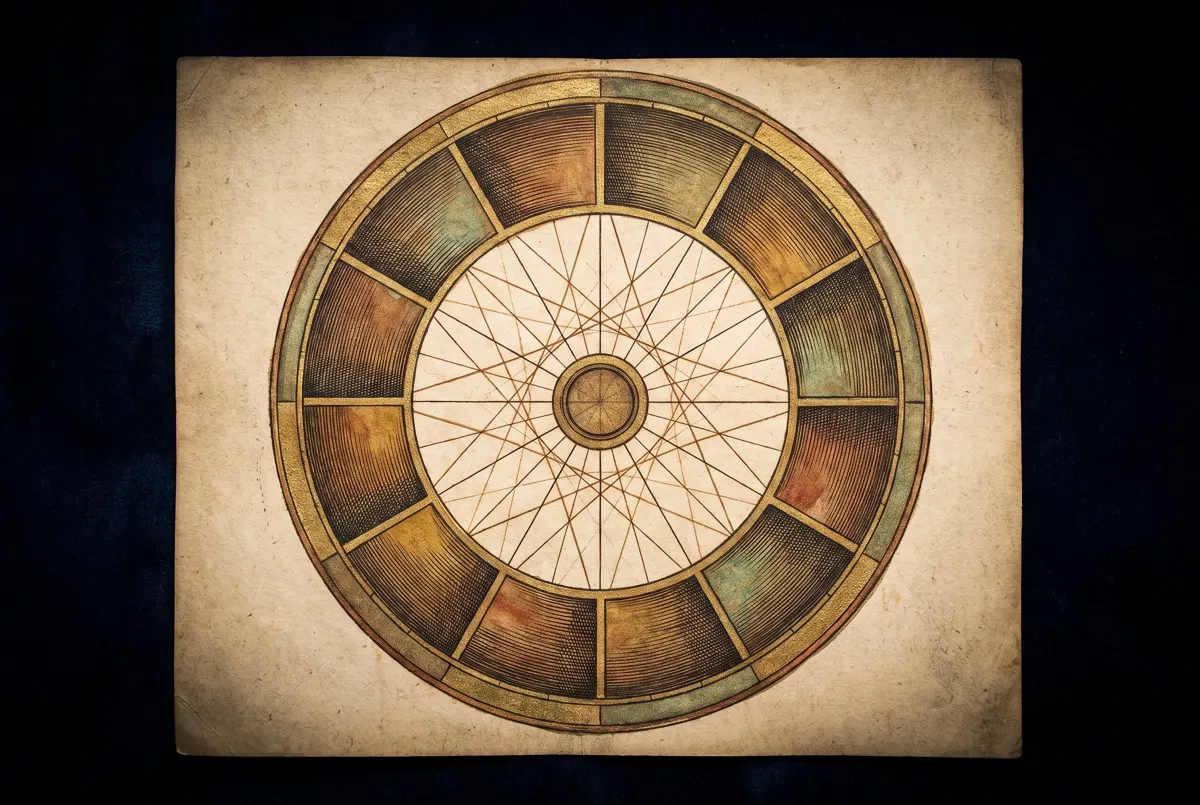
Astrology is a symbolic language that interprets celestial patterns through planets, signs, houses, aspects, and timing cycles. It is used for reflection, temperament, timing, and meaning, not as absolute fate.
$0 today, then $12/month after 7 days. Cancel anytime.
At a glance
- In astrology
- Astrology works by reading chart factors in relationship.
- Found in
- Astrology
- Related
- Birth Chart, Zodiac, Transit, Synastry
Astrology interprets sky patterns as symbolic language for temperament, timing, relationship, and reflection.
A structural orientation; exact placements depend on the chart or technique being discussed.
What does your own chart say about you?
Choose love, work or purpose. Your reading is written from your chart. Your reading uses your own birth details.
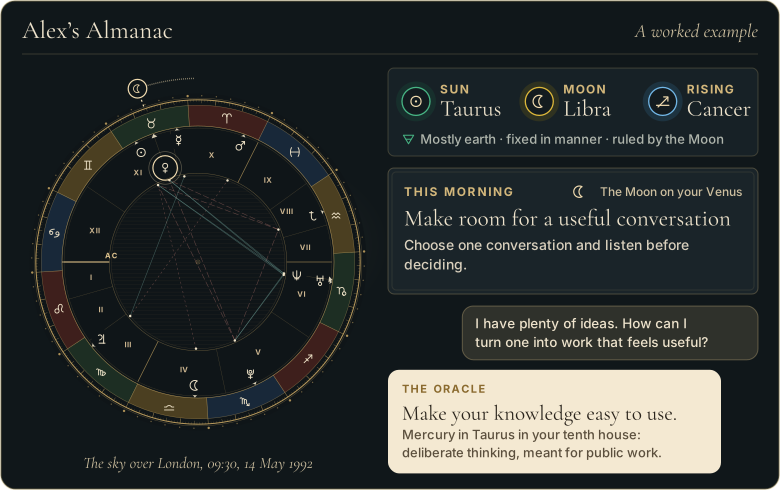
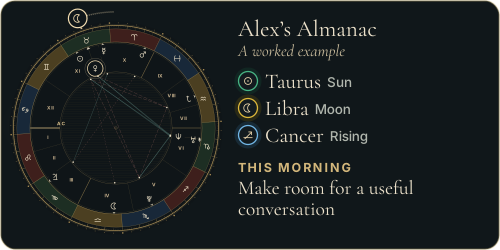
Walk through Alex’s whole example first
 The Road of AgesSee the turning points of your whole life, from your birth date
See your road's shape
The Road of AgesSee the turning points of your whole life, from your birth date
See your road's shape
Prefer to explore first?
 The Road of AgesThe turning points of your whole life, from your own chart
Walk my road
The Road of AgesThe turning points of your whole life, from your own chart
Walk my road
Free, by email
Your daily Almanac letter
One short letter at 7 each morning: the day’s theme read for your own chart, and one thing to do with it.
The story behind Astrology
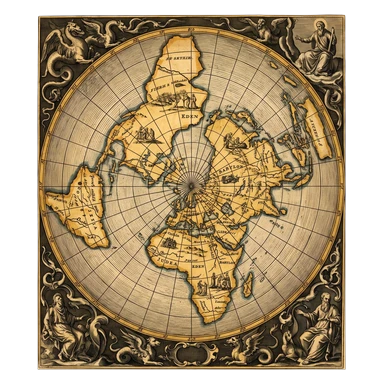
Astrology developed from ancient sky observation, calendar work, omen traditions, Hellenistic technique, medieval transmission, and modern psychological interpretation.
A one-minute story
The Book of the Sky
How people learned to read the sky, from Babylon to the day you were born.

The spiritual meaning of Astrology
Spiritually, astrology is healthiest when it leads to humility, discernment, gratitude, and wiser action rather than fear or control.
Astrology in astrology
Astrology works by reading chart factors in relationship. A serious interpretation weighs planets, signs, houses, aspects, rulers, timing, and context before making a statement.
Why Astrology matters
Astrology matters because it gives people a vocabulary for seasons of life, inner patterns, relationship dynamics, and decision timing. Used well, it helps someone ask better questions; used poorly, it becomes fatalism, projection, or entertainment pretending to be certainty.
Astrology in practice: an example
A daily reading may combine Moon transits, the natal Ascendant, house topics, and active Saturn aspects instead of giving one generic horoscope line.
Where readings of Astrology go wrong
A common error is to treat astrology as science, prophecy, worship, or final authority. It is symbolic guidance and should remain below truth, ethics, and practical care.
Sources and editorial method
This entry summarizes the tradition in the Almanac's own words; where no source is listed, it is an editorial summary rather than a primary text, and symbolic readings are named as the tradition's, not as fact.
- Source
- The Great Almanac Dictionary
- Category
- Astrology
- Last updated
- 2026-09-26
Start your astrology reading
Astrology in a book is one thing; Astrology in your own birth chart is your life. The Oracle casts your real chart and tells you what it means for your love, your work, and your year ahead, in conversation. It opens with the 7-day Seeker trial.
Speak with the OracleHow Astrology lives in your own chart across your year, in love, in work, in timing, is written in the Cosmic Codex: the whole year, once. Open the Cosmic Codex
Related terms
More in Astrology
- Conjunction Pair
- Electional Chart
- Grand Trine
- Lot of Basis
- Morning Star Phase
- Profected Ascendant
- Solar Return
- Water Signs
From the reference page to your own chart
Every word here
is in your own chart.
- A personal reading about love, work or purpose, written from your chart
- A practical next step to consider
- It opens with 7 days free, with the AI Oracle and daily guidance
$0 today, then $12/month after 7 days. Cancel anytime.
Common questions
What is astrology?
Astrology is a symbolic language that interprets celestial patterns through planets, signs, houses, aspects, and timing cycles. It is used for reflection, temperament, timing, and meaning, not as absolute fate.
Where does astrology come from?
Astrology developed from ancient sky observation, calendar work, omen traditions, Hellenistic technique, medieval transmission, and modern psychological interpretation.
What does astrology mean in astrology?
Astrology works by reading chart factors in relationship. A serious interpretation weighs planets, signs, houses, aspects, rulers, timing, and context before making a statement.
What does astrology look like in a birth chart?
A daily reading may combine Moon transits, the natal Ascendant, house topics, and active Saturn aspects instead of giving one generic horoscope line.
What does astrology mean spiritually?
Spiritually, astrology is healthiest when it leads to humility, discernment, gratitude, and wiser action rather than fear or control.
Free, by email
The Almanac, in your inbox at 7
One short letter at 7 each morning: the day’s theme read for your own chart, and one thing to do with it.