
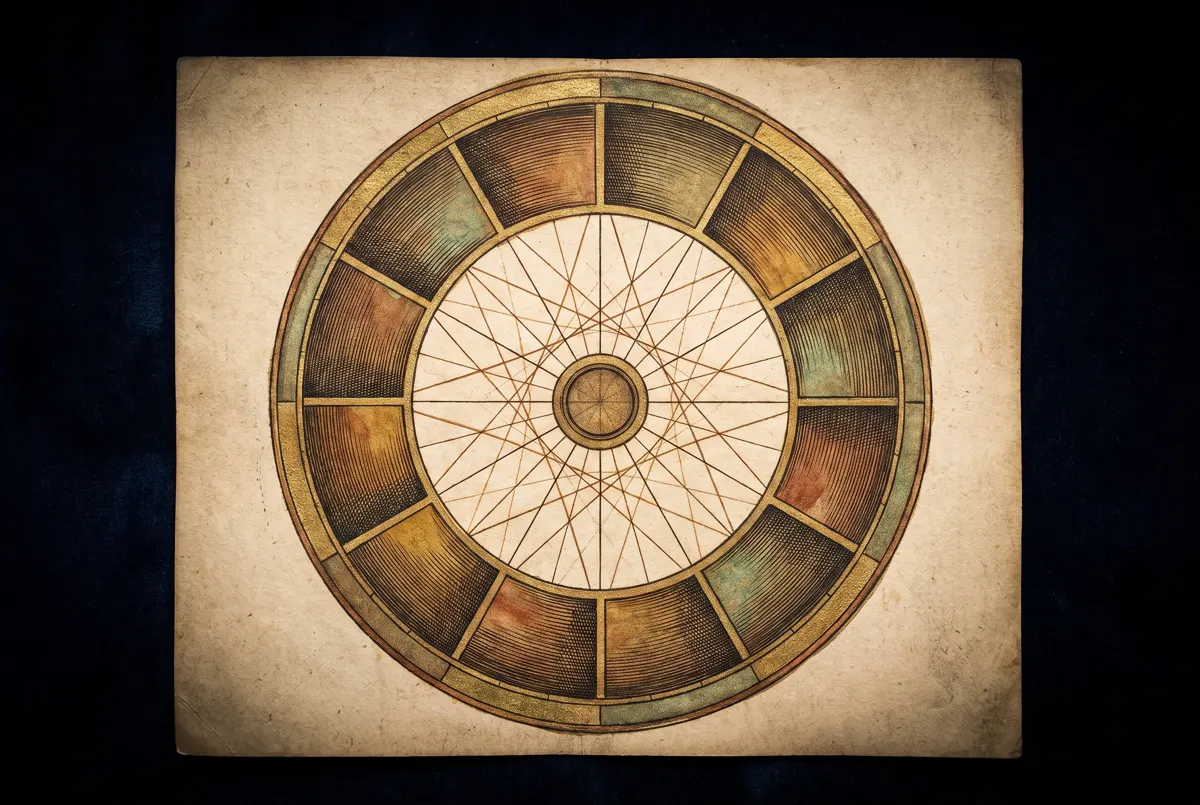
Astrological houses
Sixth House
Direct answer
Sixth House is the house of work, service, illness symbolism, routines, labor, maintenance, skill, employees, small animals, and daily repair.
$0 today, then $12/month after 7 days. Cancel anytime.
At a glance
- In astrology
- The Sixth House is cadent and was traditionally considered a difficult house, but modern readings often emphasize craft, service, and maintenance.
- Found in
- Houses
- Related
- Birth Chart, Zodiac, Transit
Sixth House describes work, service, routines, health symbolism, labor, and maintenance.
A structural orientation; exact placements depend on the chart or technique being discussed.
What could this mean for your working life?
Explore your strengths, what matters at work, and a next step to consider. Your reading uses your own birth details.
Walk through Alex’s whole example first


 The Road of AgesSee the turning points of your whole life, from your birth date
See your road's shape
Prefer to explore first?
 The Road of AgesThe turning points of your whole life, from your own chart
Walk my road
Free, by email
Your daily Almanac letter
One short letter at 7 each morning: the day’s theme read for your own chart, and one thing to do with it.
What sets Sixth House apart
The sixth house is Bad Fortune: Firmicus Maternus gives the Latin mala fortuna, from the Greek kake tyche, and says the name comes from its being Mars's place. It is in aversion to the Ascendant, so it does not see the life, and Firmicus counts it among the lazy places. Dorotheus calls it the sign of slaves and joins it with the twelfth as the worst of the worst. Al-Qabisi calls the sixth and twelfth hidden, where the third and ninth are public.
- Aspect to the first: none: it is in aversion, five signs away
- Latin name: mala fortuna, from the Greek kake tyche, in Firmicus
- Joy: Mars, in the lists of al-Qabisi and the Abbreviation
- Dorotheus: the sign of slaves; sixth and twelfth together the worst of the worst
- Al-Andarzaghar: reads its lords as infirmities and recovery, domestics and slaves, usefulness
A one-minute story
The Twelve Places
How the turning sky was cut into twelve places, and what each was read for.

Bad Fortune, the place of illness
He assigns it illness and the cause of faults and health, and he counts it among the lazy places because it makes no aspect to the Ascendant. Dorotheus calls it the sign of slaves and names the sixth and twelfth together the worst of the worst.
Al-Qabisi lists illness, slaves, beasts and flocks, and prison, and gives it what comes before old age. He colors the sixth house black, the same as the eighth.
Slave or free, and who the master is
Dorotheus Book I, chapters 10 and 11, uses the sixth and twelfth houses to decide whether a person is a slave or free. The Moon in the sixth or twelfth points to servitude. He counts the number of masters from the planets standing between the luminary and its triplicity lord. Jupiter or Venus angular frees a slave, with Jupiter in Capricorn the exception.
Mars rejoices in the sixth, and Dykes says the night planets rejoice below the horizon. Dorotheus also lists the sixth among his evil places and as a bad position for the lord of the father's lot.
A hidden, cadent house
The sixth is a cadent house, and al-Qabisi calls the sixth and twelfth hidden, where the third and ninth are public. Firmicus ranks Bad Fortune above Bad Spirit in his order, which puts the sixth ahead of the twelfth. Al-Andarzaghar reads the three lords of the sixth as infirmities and recovery, domestics and slaves, and their usefulness.
The sixth is in the quarter al-Qabisi calls western, masculine and advancing, which he links to late life.
The story behind Sixth House
Traditional astrology linked the Sixth House with illness, servants, labor, and small animals.
The spiritual meaning of Sixth House
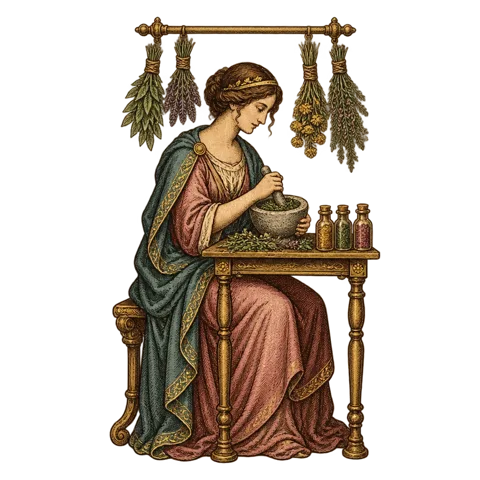
Spiritually, Sixth House asks what humble routine would make life more whole.
Why Sixth House matters
Sixth House matters because the condition of daily life determines how much any inspiration can actually be lived.
How to read Sixth House
Sixth House speaks to work habits, health routines, service, chores, systems, burnout, practical skill, and the body in daily use.
Sixth House in practice: an example
Mars in the Sixth House may bring intense work ethic, inflammation themes, conflict at work, or the need for active routines.
Sources and editorial method
This entry summarizes the tradition in the Almanac's own words; where no source is listed, it is an editorial summary rather than a primary text, and symbolic readings are named as the tradition's, not as fact.
- Source
- The Great Almanac Dictionary
- Category
- Houses
- Last updated
- 2026-09-26
Read your Sixth House
Sixth House in a book is one thing; Sixth House in your own birth chart is your life. The Oracle casts your real chart and tells you what it means for your love, your work, and your year ahead, in conversation. It opens with the 7-day Seeker trial.
Speak with the OracleHow Sixth House lives in your own chart across your year, in love, in work, in timing, is written in the Cosmic Codex: the whole year, once. Open the Cosmic Codex
Related terms
More in Houses
- Twelfth House
- Campanus Houses
- Eleventh House
- Horizon Axis
- House System
- Meridian Axis
- Planet in the First House
- Planet in the Third House
From the reference page to your own chart
Every word here
is in your own chart.
- A personal reading about love, work or purpose, written from your chart
- A practical next step to consider
- It opens with 7 days free, with the AI Oracle and daily guidance
$0 today, then $12/month after 7 days. Cancel anytime.
Common questions
What is Sixth House?
Sixth House is the house of work, service, illness symbolism, routines, labor, maintenance, skill, employees, small animals, and daily repair.
Where does Sixth House come from?
Traditional astrology linked the Sixth House with illness, servants, labor, and small animals.
What does Sixth House mean in astrology?
The Sixth House is cadent and was traditionally considered a difficult house, but modern readings often emphasize craft, service, and maintenance.
What does Sixth House look like in a birth chart?
Mars in the Sixth House may bring intense work ethic, inflammation themes, conflict at work, or the need for active routines.
What does Sixth House mean spiritually?
Spiritually, Sixth House asks what humble routine would make life more whole.
Free, by email
The Almanac, in your inbox at 7
One short letter at 7 each morning: the day’s theme read for your own chart, and one thing to do with it.


