
Midnight in Philippi
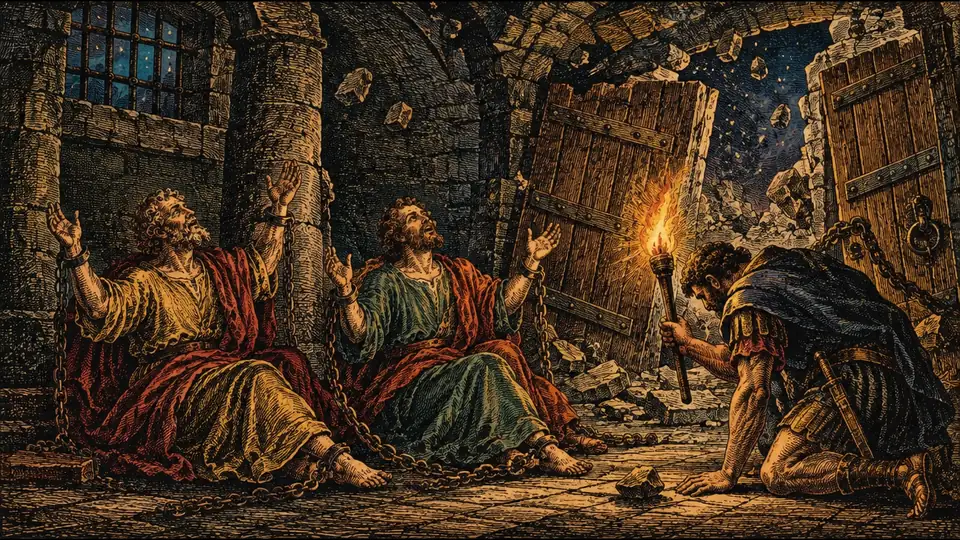
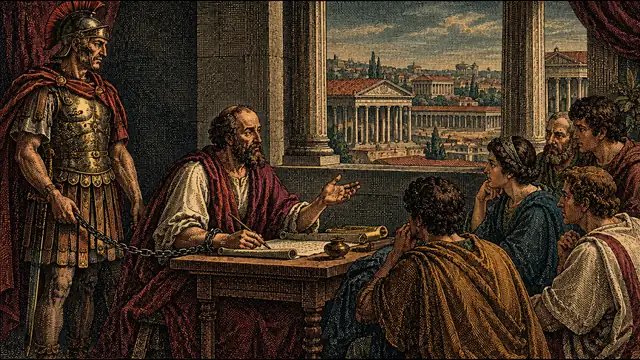
Beaten and jailed in Philippi, Paul and Silas sang praises at midnight. An earthquake opened the doors, and the jailer and all his house believed.
Press play: the paintings change with the story and the words come as the narrator reads them. The whole story is written out below.
Now playing: Midnight in Philippi
The whole story
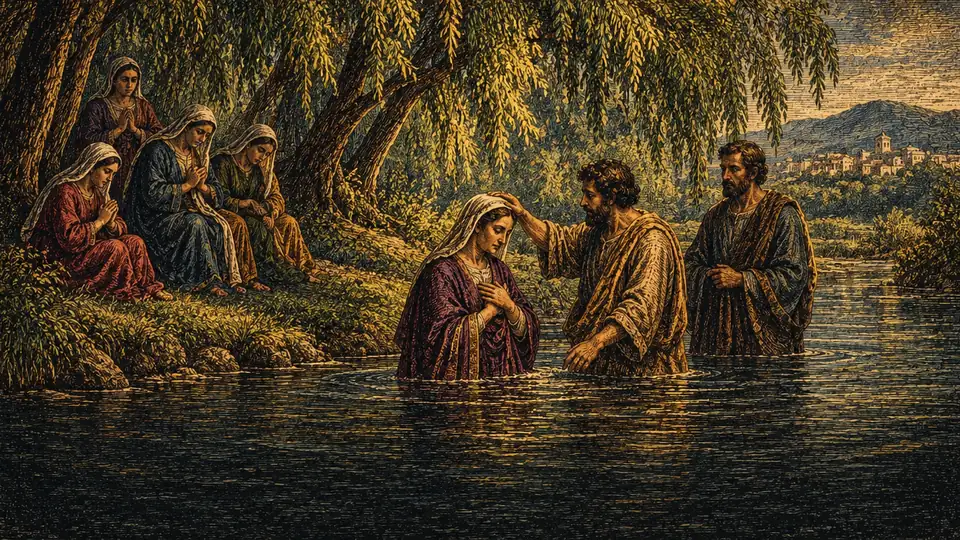
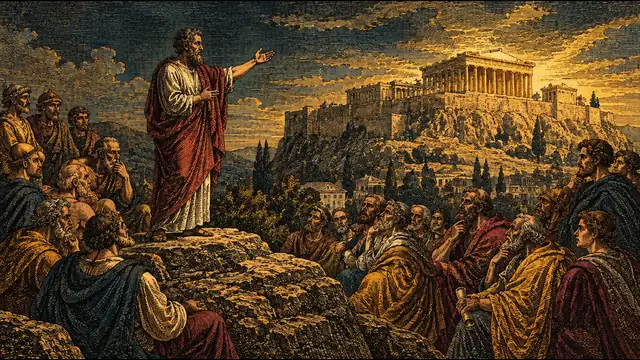
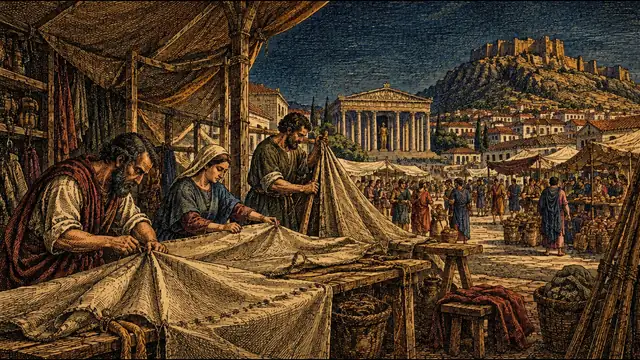
Called in a vision by a man of Macedonia who prayed him, “Come over into Macedonia, and help us” (Acts 16:9), Paul crossed to Europe. At Philippi, a Roman colony, he met Lydia, a seller of purple from Thyatira, at a place of prayer by the riverside, and she and her household were baptized, the first believers on that continent.
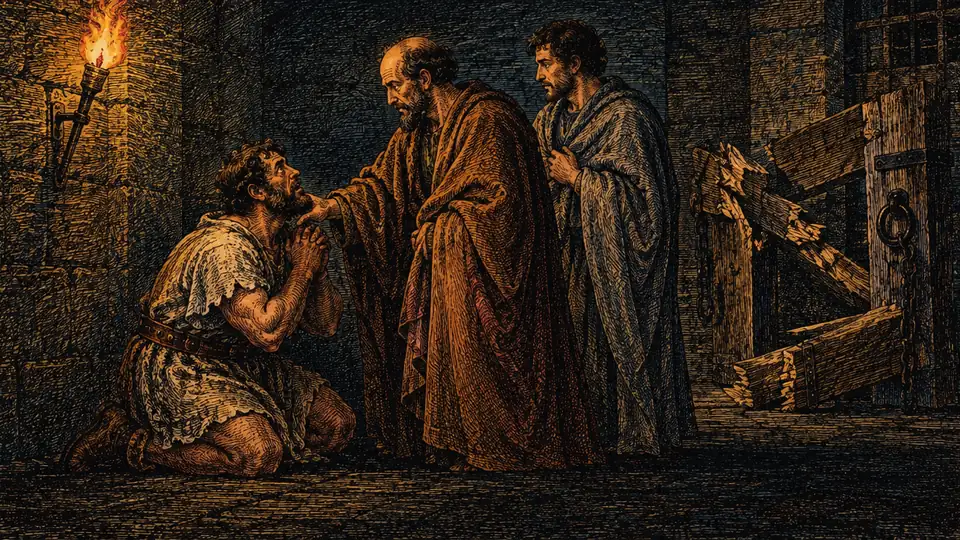
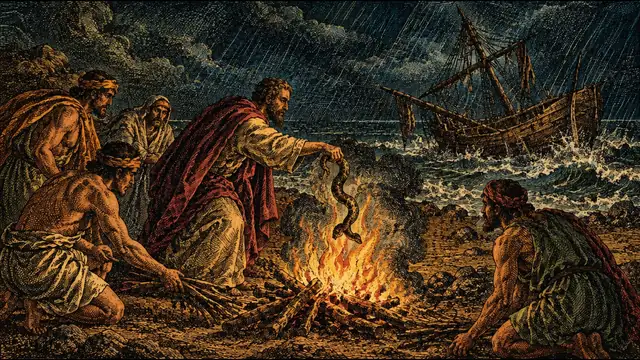
A slave girl with a spirit of divination followed them crying out, until Paul cast the spirit out. Her masters, seeing their gain gone, dragged Paul and Silas before the magistrates, who had them beaten and thrust into the inner prison with their feet made fast in the stocks. After the midnight earthquake, the trembling jailer cried, “Sirs, what must I do to be saved?” (Acts 16:30).
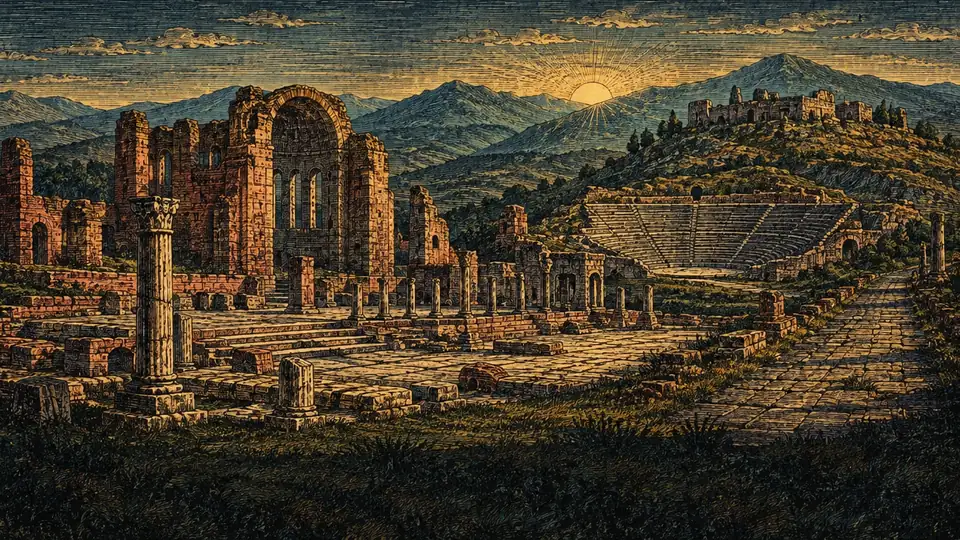
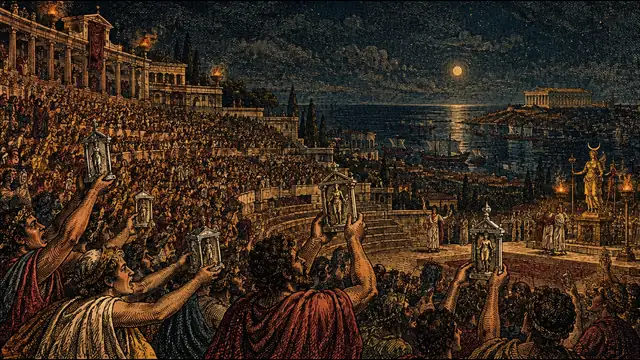
Paul later wrote the Philippians his warmest letter, full of joy, from prison: “Rejoice in the Lord alway: and again I say, Rejoice” (Philippians 4:4). The ruins of Philippi, with its forum, its theater and great basilicas, lie on the old Roman road across Macedonia, and a small Roman crypt there is shown as Paul’s prison.
And at midnight Paul and Silas prayed, and sang praises unto God: and the prisoners heard them.
Acts 16:25, KJV
Where it happened
Philippi, northern Greece.
The ruins of Philippi, in Macedonia, inland from the port of Kavala.
Every story stands at its place on the Worldwide Watch map: the Bible’s world, on the map.
More from Acts and the letters
Acts and the epistles
Sources and editorial method
Research and editorial references used for this page include:
- The King James Bible, as published by bible-api.com
- The Book of Enoch, translated by R. H. Charles (1917), Project Gutenberg
Every story is told from the King James Bible, and from the Book of Enoch in R. H. Charles’s translation (1917) where a story names it. Every quotation was checked word for word against those texts. Where a place is not known, the page says so. The paintings and the narration were made for the house.

