
First called Christians
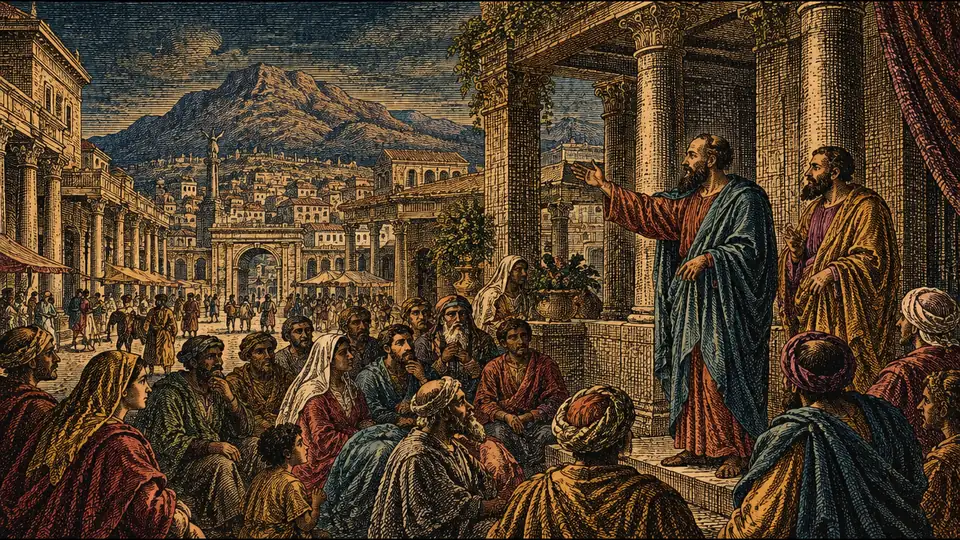
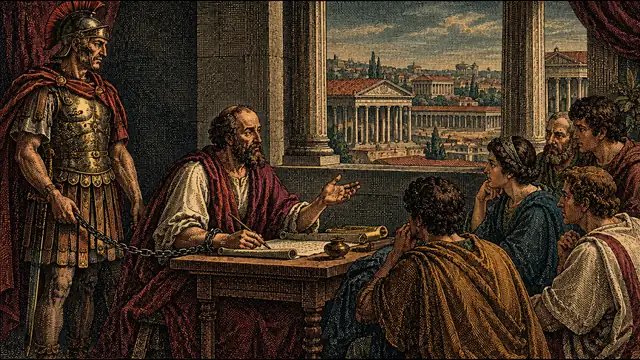
At Antioch, where Barnabas and Saul taught for a whole year, the disciples were called Christians for the first time.
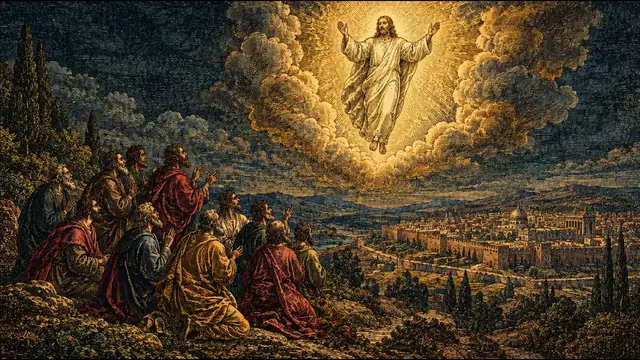
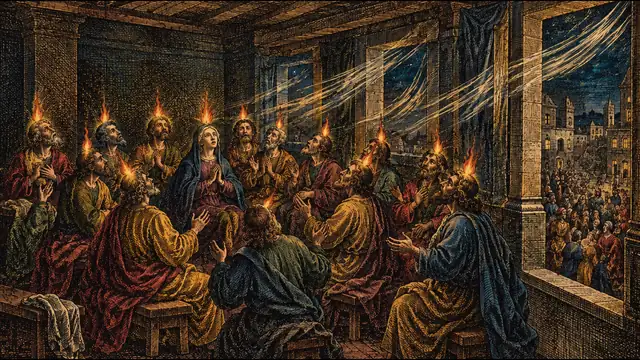
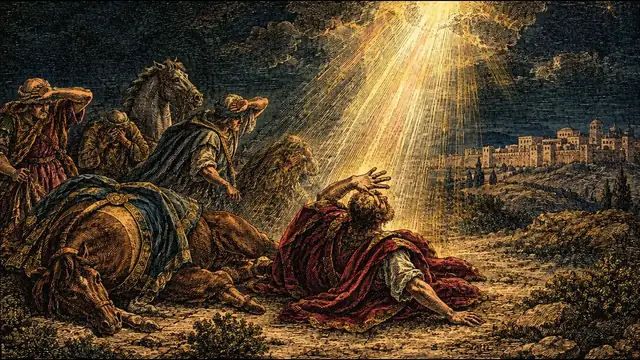
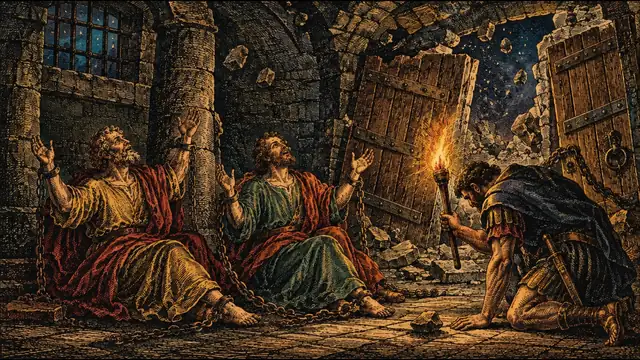
Press play: the paintings change with the story and the words come as the narrator reads them. The whole story is written out below.
Now playing: First called Christians
The whole story
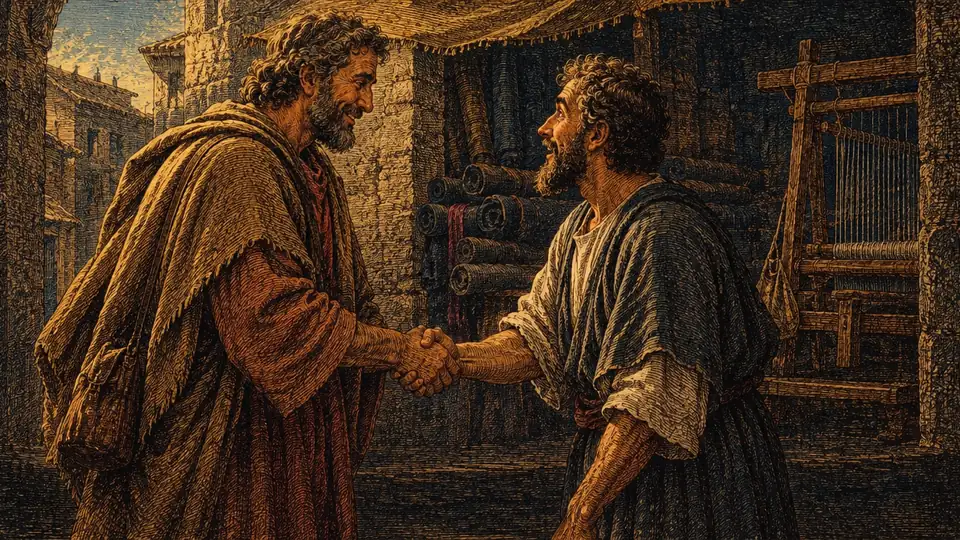
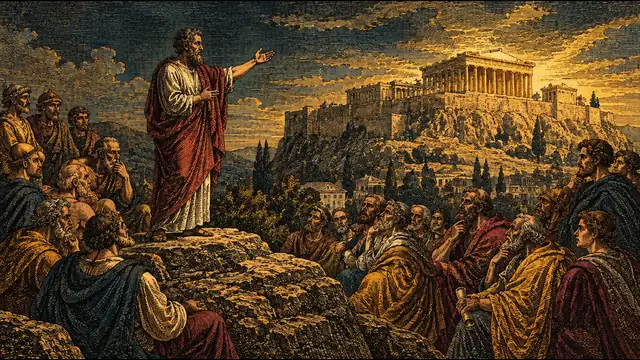
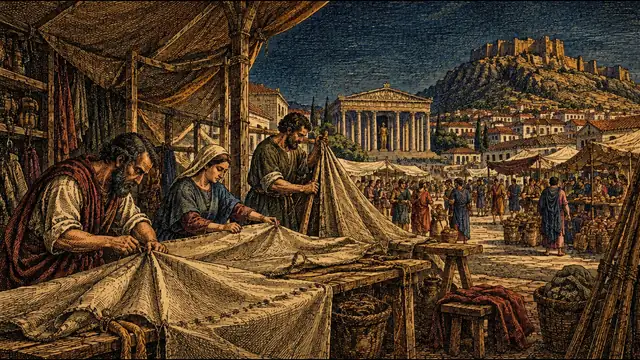
Believers scattered by the persecution after Stephen’s death came as far as Antioch, and some spoke to the Greeks there, and a great number believed. The church in Jerusalem sent Barnabas, who went to Tarsus to find Saul and brought him back, and for a whole year they taught much people.
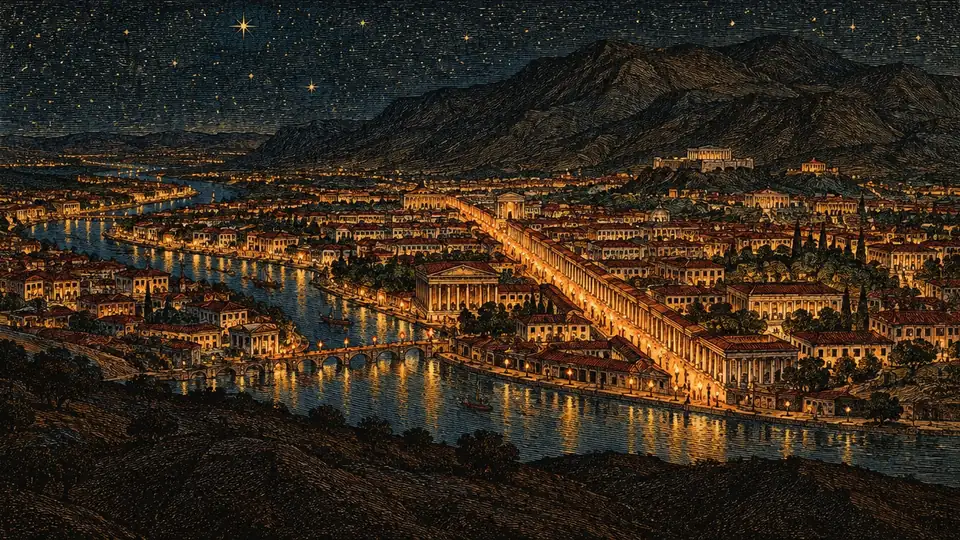
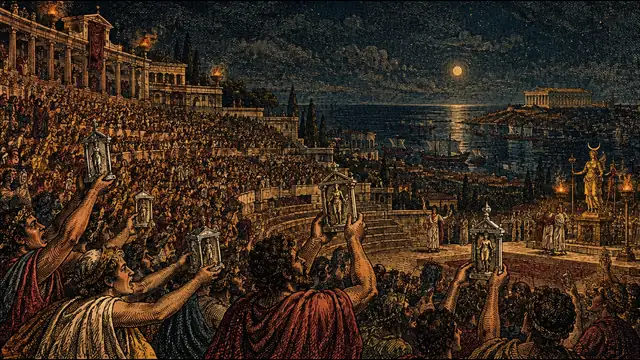
Antioch on the Orontes was the third city of the Roman empire, after Rome and Alexandria, with a great colonnaded street said to have been lit at night. From its church Paul and Barnabas were sent out on the first missionary journey, and there Peter and Paul disagreed over eating with Gentile believers, a question settled at the council in Jerusalem.
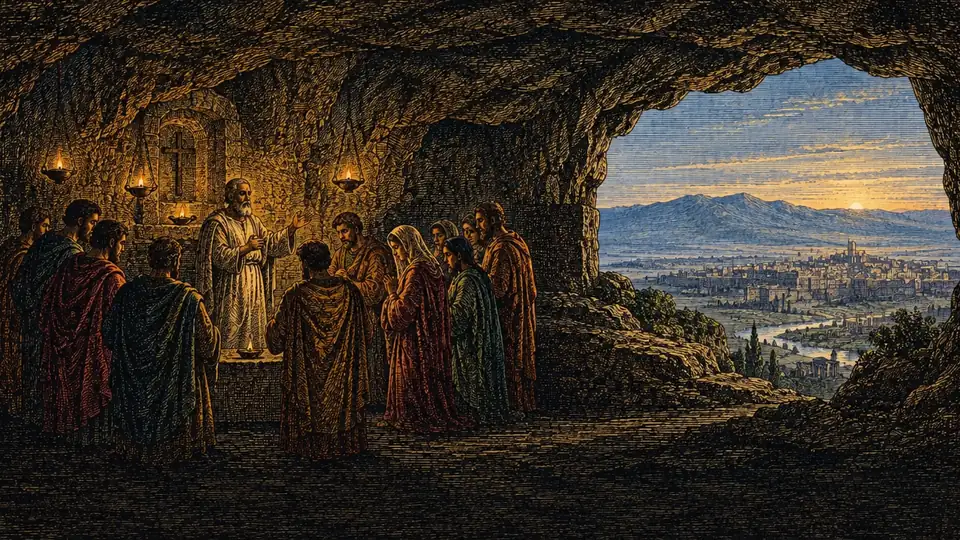
Its church gave the church at large some of its greatest teachers, among them its bishop Ignatius and John Chrysostom, the golden-mouthed preacher. A church cut into a cave in the mountainside, the Church of Saint Peter, is honored as one of the oldest places of Christian worship. Antakya was badly struck by the earthquakes of 2023.
And when he had found him, he brought him unto Antioch. And it came to pass, that a whole year they assembled themselves with the church, and taught much people. And the disciples were called Christians first in Antioch.
Acts 11:26, KJV
Where it happened
Antioch, Antakya, southern Turkey.
Antakya, on the Orontes river.
Every story stands at its place on the Worldwide Watch map: the Bible’s world, on the map.
More from Acts and the letters
Acts and the epistles
Sources and editorial method
Research and editorial references used for this page include:
- The King James Bible, as published by bible-api.com
- The Book of Enoch, translated by R. H. Charles (1917), Project Gutenberg
Every story is told from the King James Bible, and from the Book of Enoch in R. H. Charles’s translation (1917) where a story names it. Every quotation was checked word for word against those texts. Where a place is not known, the page says so. The paintings and the narration were made for the house.

