
Ephesusthy first love
To Ephesus, a church that labored and endured: come back to the love it had at first.
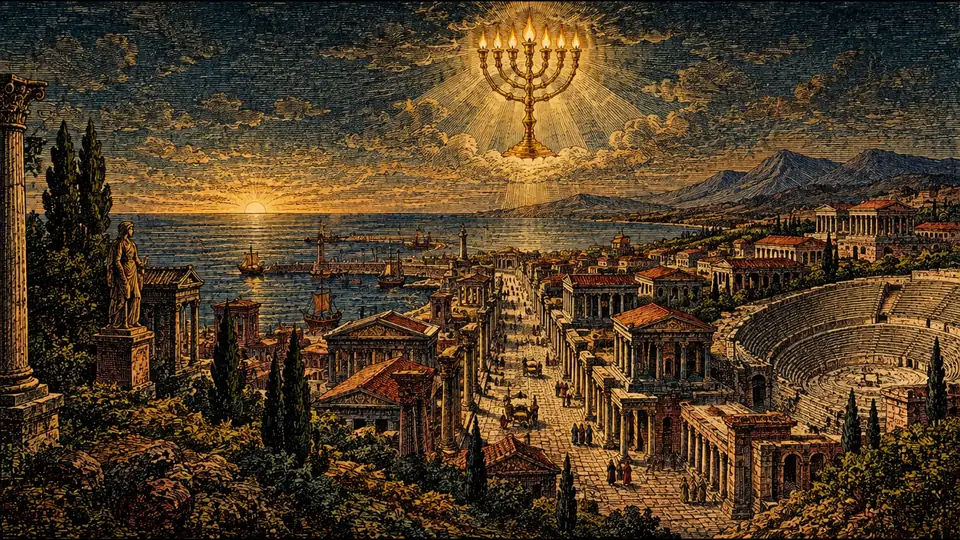
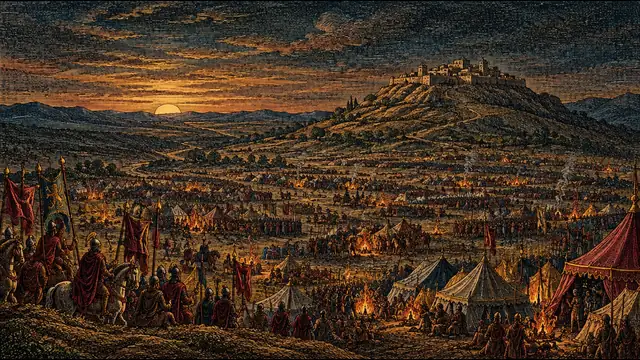
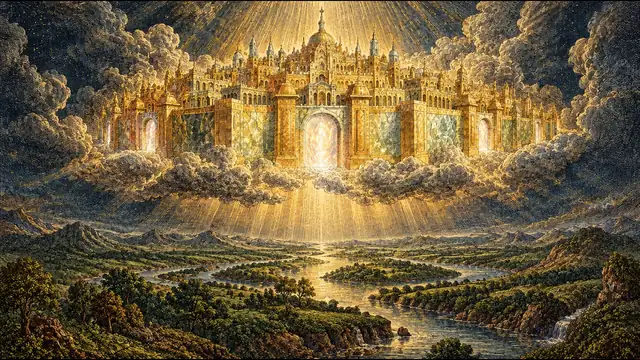
Press play: the paintings change with the story and the words come as the narrator reads them. The whole story is written out below.
Now playing: Ephesus: thy first love
The whole story
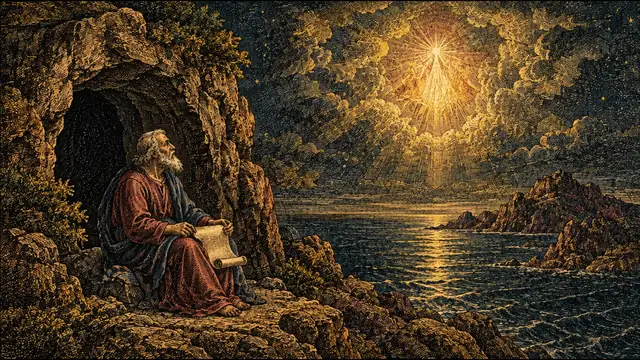
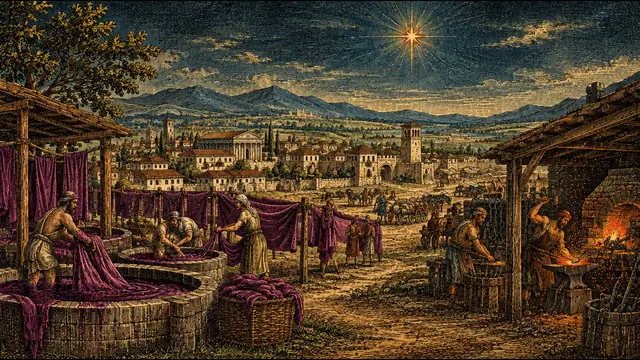
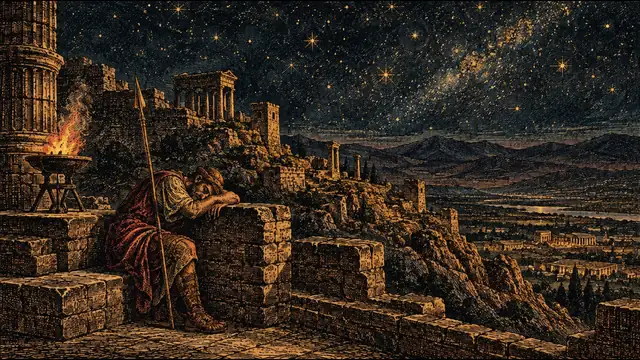
The letter praises the church’s works, its labor and its patience, and that it could not bear them which are evil, and had tried those who called themselves apostles and found them liars. Yet it had left its first love: “Remember therefore from whence thou art fallen, and repent, and do the first works” (Revelation 2:5), or its candlestick would be removed out of its place.
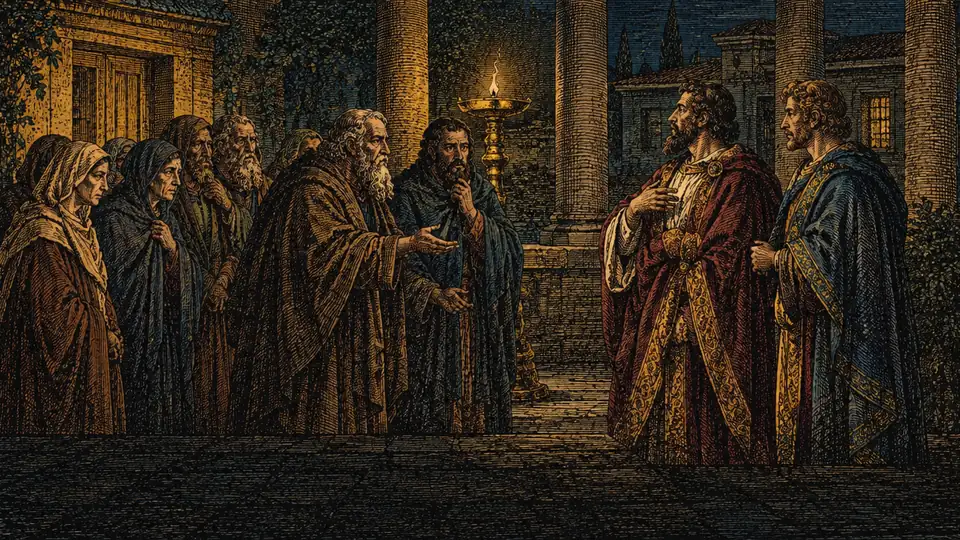
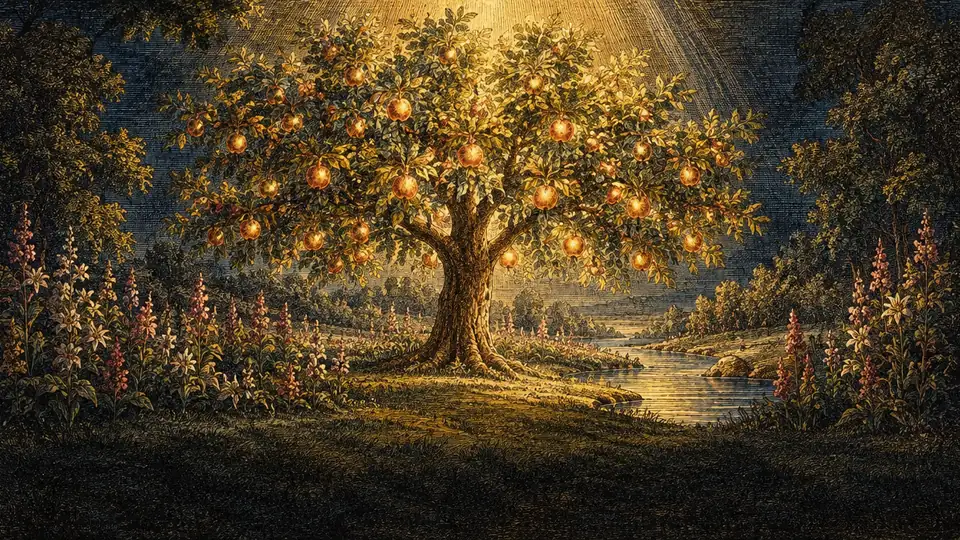
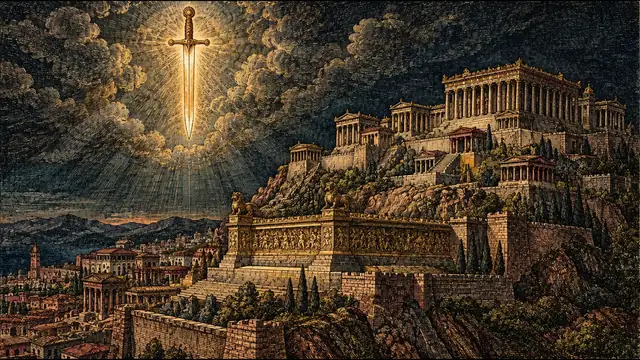
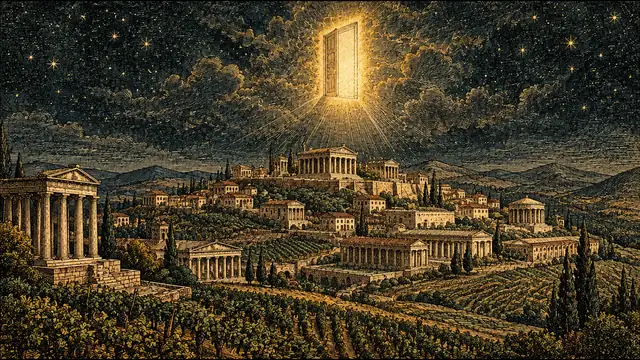
It also commends Ephesus for hating the deeds of the Nicolaitans, a group the letters name but never explain. To him that overcometh the promise is to eat of the tree of life, which is in the midst of the paradise of God, the tree last seen at the gate of Eden.
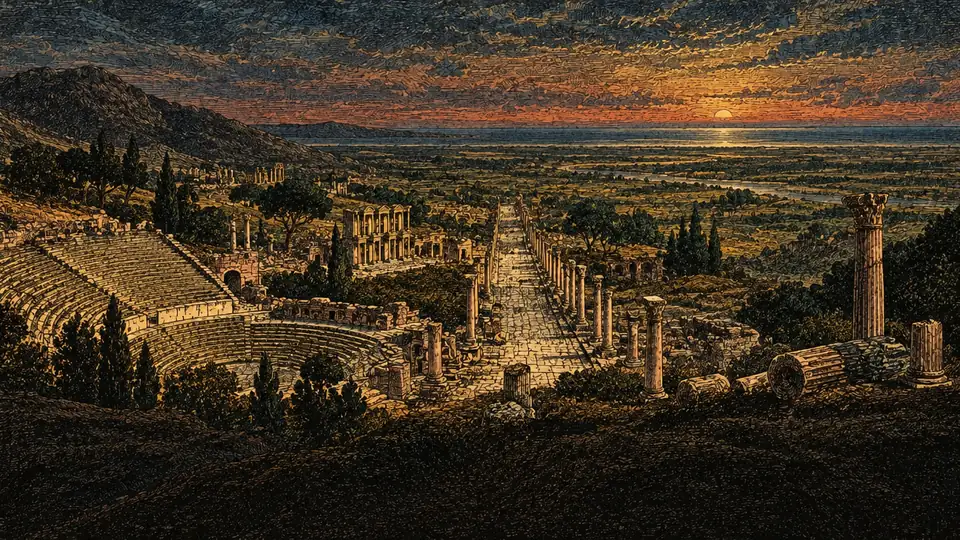
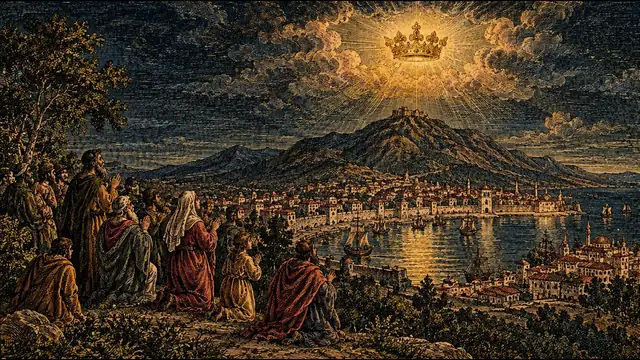
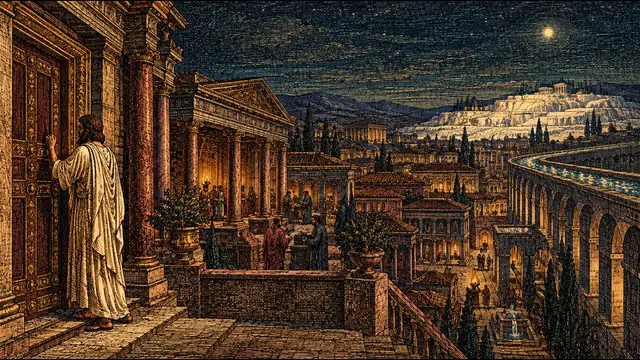
Ephesus was the greatest city of the province of Asia, its harbor the gateway to the province, but the river filled the harbor with silt over the centuries, and the city that heard the letter now lies in ruins miles inland. Readers take the letter as a word to its own church, as a warning to any church whose zeal has cooled, and some as a picture of the first age of the church.
Nevertheless I have somewhat against thee, because thou hast left thy first love.
Revelation 2:4, KJV
Where it happened
Ephesus, Near Selçuk, western Turkey.
The ruins of Ephesus, near Selçuk; its great theater still stands.
Every story stands at its place on the Worldwide Watch map: the Bible’s world, on the map.
More from Revelation
Revelation
Sources and editorial method
Research and editorial references used for this page include:
- The King James Bible, as published by bible-api.com
- The Book of Enoch, translated by R. H. Charles (1917), Project Gutenberg
Every story is told from the King James Bible, and from the Book of Enoch in R. H. Charles’s translation (1917) where a story names it. Every quotation was checked word for word against those texts. Where a place is not known, the page says so. The paintings and the narration were made for the house.

