The inner life
Clairsentience
Direct answer
Clairsentience is psychic vocabulary for clear feeling, meaning claimed perception of information through bodily sensation, emotion, atmosphere, or empathic impression.
$0 today, then $12/month after 7 days. Cancel anytime.
At a glance
- Found in
- Consciousness & Spiritual Psychology
- Related
- Birth Chart, Zodiac, Transit
Clairsentience means claimed clear feeling through body, emotion, or atmosphere.
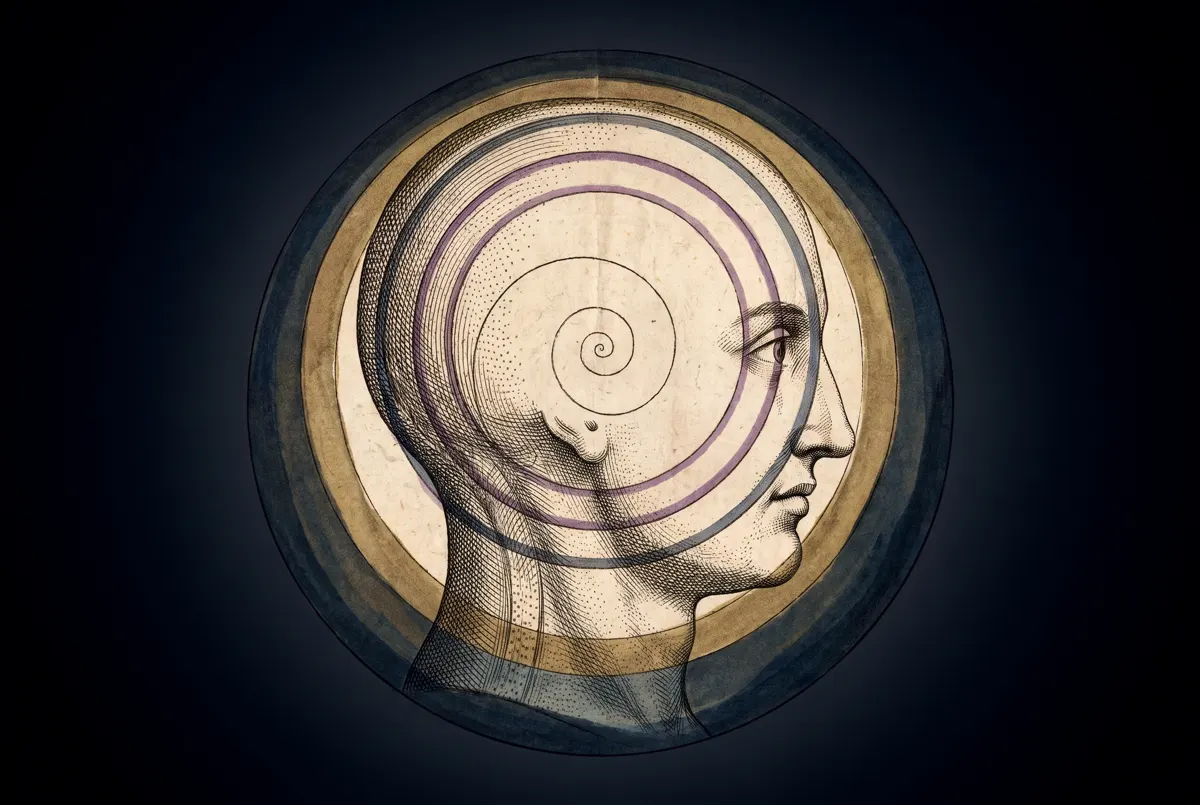
A plain educational schematic; it does not diagnose a condition or replace professional care.
What does your own chart say about you?
Choose love, work or purpose. Your reading is written from your chart. Your reading uses your own birth details.
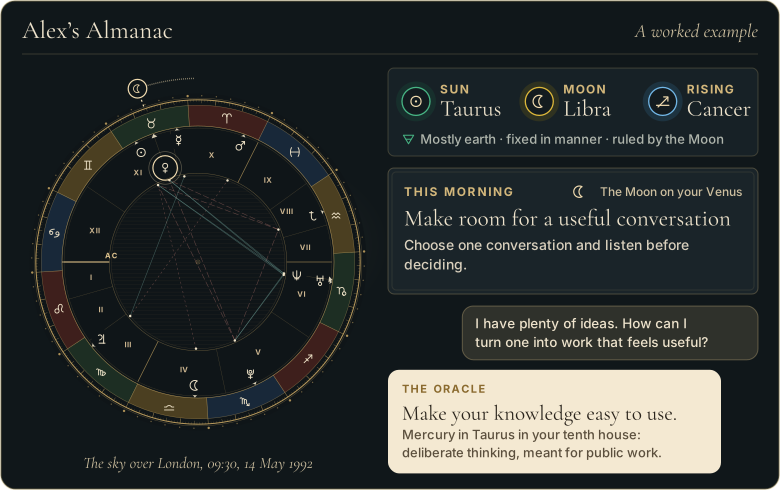
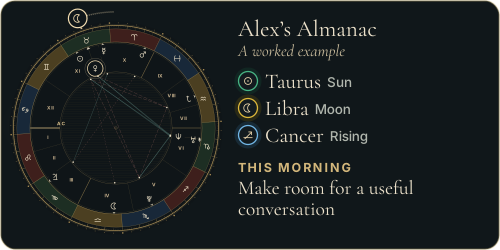
Walk through Alex’s whole example first
 The Road of AgesSee the turning points of your whole life, from your birth date
See your road's shape
The Road of AgesSee the turning points of your whole life, from your birth date
See your road's shape
Prefer to explore first?
 The Road of AgesThe turning points of your whole life, from your own chart
Walk my road
The Road of AgesThe turning points of your whole life, from your own chart
Walk my road
Free, by email
Your daily Almanac letter
One short letter at 7 each morning: the day’s theme read for your own chart, and one thing to do with it.
The signs people describe
Clairsentience is described through the body. People report walking into a room after an argument and feeling the argument still in the air, carrying a stranger's mood home from the supermarket, a heaviness or lightness around certain people that precedes any conversation, gut responses to places, and sudden waves of emotion with no visible cause of their own.
What the accounts share is that the information seems to arrive as sensation first and interpretation second. The feeling is real either way; the open question is what it is actually reading.
Sensitivity, empathy, and the body’s own signals
Psychology offers strong non-psychic accounts of much of this. Emotional contagion is a robust finding: humans mirror the faces, posture, and vocal tone around them and then feel a trace of what they mirrored. Interoception, the sense of the body's internal state, varies enormously between people, and those with high interoceptive sensitivity genuinely do feel more, sooner, about everything. Highly empathic people are often reading a room accurately; they are just doing it through channels too fast to narrate.
The practical danger is not the sensitivity but the attribution. A felt heaviness might be the room, might be the company, and might be your own unslept body. Assigning every sensation an external spiritual source hands your inner weather to forces you cannot check.
Boundaries for a sensitive reader
- Rule out the body first: sleep, food, caffeine, and hormones produce most unexplained waves of feeling.
- Name whose feeling it plausibly is. If it arrived when a specific person did, say so to yourself plainly.
- Keep the checkable claim separate from the unfalsifiable one. "I sense tension in this room" can be verified by asking; "this house holds grief" cannot, and should be held loosely.
- Sensitivity is not obligation. Feeling someone's mood does not make it yours to fix, and stepping back is not a failure of compassion.
- As with every claimed perception, the Almanac's rule stands: reflection is welcome, but decisions about health, safety, money, and people deserve evidence, counsel, and daylight.
The story behind Clairsentience
Clairsentience developed in spiritualist, occult, New Age, and intuitive-healing language as one of the clair categories.
The spiritual meaning of Clairsentience
Spiritually, Clairsentience asks whether feeling is being held with compassion and boundaries.
Clairsentience in the Bible
Christian readers should test felt impressions and avoid judging people by sensations alone.
Why Clairsentience matters
Clairsentience matters because many people sense atmosphere and emotion, but psychic certainty can overrun boundaries. The term should protect empathy from becoming projection.
Sources and editorial method
This entry summarizes the tradition in the Almanac's own words; where no source is listed, it is an editorial summary rather than a primary text, and symbolic readings are named as the tradition's, not as fact.
- Source
- The Great Almanac Dictionary
- Category
- Consciousness & Spiritual Psychology
- Last updated
- 2026-09-26
Feel without overclaiming
A definition tells you what it is; your own birth chart tells you what it means for you. The Oracle casts your real chart and answers for your love, your work, and your year ahead, in conversation. It opens with the 7-day Seeker trial.
Speak with the OracleYour year, written once from your chart alone: the Cosmic Codex reads the whole of it, month by month. Open the Cosmic Codex
Related terms
More in Consciousness & Spiritual Psychology
From the reference page to your own chart
Every word here
is in your own chart.
- A personal reading about love, work or purpose, written from your chart
- A practical next step to consider
- It opens with 7 days free, with the AI Oracle and daily guidance
$0 today, then $12/month after 7 days. Cancel anytime.
Common questions
What is Clairsentience?
Clairsentience is psychic vocabulary for clear feeling, meaning claimed perception of information through bodily sensation, emotion, atmosphere, or empathic impression.
Where does Clairsentience come from?
Clairsentience developed in spiritualist, occult, New Age, and intuitive-healing language as one of the clair categories.
What does Clairsentience mean spiritually?
Spiritually, Clairsentience asks whether feeling is being held with compassion and boundaries.
Free, by email
The Almanac, in your inbox at 7
One short letter at 7 each morning: the day’s theme read for your own chart, and one thing to do with it.