
Radiant
The perspective point from which shower meteors appear to diverge; meteors can cross any part of the sky.
Understand meteor-shower radiants, parent bodies, peak rates, Moon interference, and the local conditions that determine what you can see.
$0 today, then $12/month after 7 days. Cancel anytime.
Meteor showers happen when Earth crosses streams of small debris, usually left by comets and sometimes asteroids. The particles become meteors as they enter the atmosphere. A published peak and ideal hourly rate are not guarantees for one observer.
The perspective point from which shower meteors appear to diverge; meteors can cross any part of the sky.
Usually an idealized rate under dark, clear skies with the radiant well placed, not a personal forecast.
Bright moonlight hides faint meteors, so the live lunar context matters when planning.
Verified current positions · refreshes hourly
Current geocentric longitudes. No local rise, set, altitude, direction, weather, or future visibility is inferred.
The phase family is derived from current Sun and Moon longitude. It is not an exact phase-event time, illuminated fraction, moonrise calculation, or local visibility forecast. Void-of-course hours for the two weeks ahead, and the next sign changes, are measured on the Void-of-Course Moon Calendar.
A meteoroid is the small object while it is in space. The visible streak produced as it enters an atmosphere is a meteor. Any surviving material that reaches the ground is a meteorite. Shower particles are commonly tiny and burn up high in the atmosphere; the apparent streak is not a star falling from the celestial sphere.
Earth returns to broadly the same parts of its orbit each year and crosses debris trails associated with particular parent bodies. Perspective makes parallel paths appear to radiate from one region, so showers receive names such as Perseids or Leonids from a nearby constellation. Sporadic meteors not associated with the shower can appear at the same time.
Published zenithal hourly rates describe standardized, favorable conditions. Your count may be lower because of light pollution, haze, cloud, trees, the height of the radiant, limited field of view, observation duration, and moonlight. Peak timing can also be broad or uncertain. Record the source, year, and UTC interval instead of assuming last year’s peak minute repeats exactly.
Choose a dark, safe place with a broad view, arrive early, and allow roughly 20 to 30 minutes for your eyes to adapt. Dress for the temperature, use a reclining chair, keep screens dim or red, and look well away from the radiant to see longer trails. Binoculars narrow the field and are usually unnecessary; unaided eyes give the widest view.
The current Moon card helps identify broad phase and longitude, but it does not calculate moonrise, weather, radiant altitude, or a future shower peak for your city. Pair a current authoritative shower calendar with location-aware sky calculations and local weather. Symbolic readings of meteors belong to folklore or reflection, not the physical prediction layer.

Choose love, work or purpose. Your reading is written from your chart. Your reading uses your own birth details.
Walk through Alex’s whole example first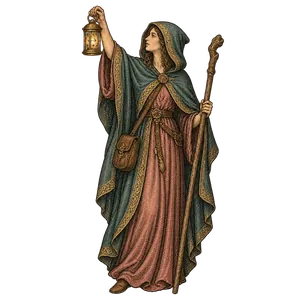
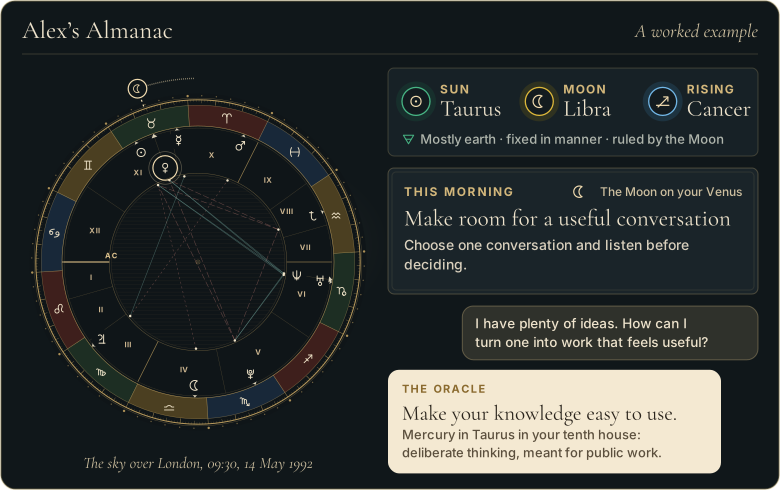
 The Road of AgesSee the turning points of your whole life, from your birth date
See your road's shape
The Road of AgesSee the turning points of your whole life, from your birth date
See your road's shape
 The Road of AgesThe turning points of your whole life, from your own chart
Walk my road
The Road of AgesThe turning points of your whole life, from your own chart
Walk my road
Free, by email
One short letter at 7 each morning: the day’s theme read for your own chart, and one thing to do with it.
From the reference page to your own chart
$0 today, then $12/month after 7 days. Cancel anytime.
Usually no. Meteors can appear across a wide area, so unaided eyes and a broad dark view are generally more useful than a narrow telescope field.
No. Published rates often describe idealized conditions. Local darkness, cloud, radiant altitude, Moon, and observation time can reduce the count substantially.
No. It intentionally avoids a future local claim without an event table, coordinates, time-zone conversion, and weather context.
Free, by email
One short letter at 7 each morning: the day’s theme read for your own chart, and one thing to do with it.

Read more
Keep moving through the archive: signs, compatibility, chart timing, faith-aware discernment, and practical daily guidance.

