

Numerology for EntrepreneursFrom Symbol to Business Experiment
Entrepreneur numerology is useful only when it produces a clearer question, a smaller test, or a better operating habit. Use Life Path, Expression, and personal-cycle themes to inspect how you lead and decide; use customer evidence, costs, law, and results to decide whether the business works.
$0 today, then $12/month after 7 days. Cancel anytime.
Direct answer
Short version
Numerology can organize reflection around entrepreneurial style, communication, money habits, and timing, but it cannot identify a guaranteed niche or lucky launch date. A sound sequence is symbol, hypothesis, experiment, evidence, and revision. If the symbol is meaningful but the experiment fails, revise the offer rather than blaming your energy or forcing the market.

What could this mean for your working life?
Explore your strengths, what matters at work, and a next step to consider. Your reading uses your own birth details.
Walk through Alex’s whole example first


 The Road of AgesSee the turning points of your whole life, from your birth date
See your road's shape
Prefer to explore first?
 The Road of AgesThe turning points of your whole life, from your own chart
Walk my road
Free, by email
Your daily Almanac letter
One short letter at 7 each morning: the day’s theme read for your own chart, and one thing to do with it.
Quick facts
| Layer | Question it can raise | Evidence that decides |
|---|---|---|
| Life Path | How do I tend to work and mature? | Work history, energy, strengths, follow-through |
| Expression number | How might I communicate or deliver value? | Customer comprehension and delivery quality |
| Soul Urge | What motive keeps pulling me forward? | Values, behavior, tradeoffs, long-term willingness |
| Personal Year | What season deserves emphasis? | Runway, demand, obligations, measurable readiness |
| Business-name number | What tone does the selected spelling suggest? | Clarity, recall, availability, trust, legal checks |
A one-minute story
The Music of Number
From a blacksmith's hammers to your Life Path: the story of number.

Build an interpretation stack without pretending it is proof
Start with one core pattern and one current cycle. The Life Path can frame a recurring working lesson; an Expression number can frame outward communication; the Personal Year can frame the season. More layers do not automatically create more accuracy. If every number is added at once, almost any decision can be justified after the fact. Keep the stack small enough that each claim can be translated into observable behavior.
For example, a founder may read a 5 emphasis as experimentation and a 4 year as structure. The practical hypothesis is not “the universe wants a startup.” It is “run controlled experiments inside a consistent weekly system.” That can be checked. How many customer conversations happened? Which offer converted? Was delivery repeatable? Which activity created useful learning, and which was novelty disguised as strategy?
Choose a painful problem before polishing the brand
A common spiritual-business trap is beginning with identity: the perfect name, aesthetic, message, or future community. Those things can matter, but they become expensive avoidance when the customer problem is still vague. Begin with a group you can reach and a situation that already costs them time, money, confidence, opportunity, or unnecessary effort. Learn the language they use before writing the language you wish they used.
Ask about the last time the problem occurred, what they tried, what they paid, why the existing solution disappointed them, and what a credible improvement would look like. Avoid asking only whether they like your idea; politeness is not demand. A useful early signal is behavior: an introduction, a booked pilot, a deposit under clear terms, permission to follow up, or a specific objection that teaches you how the offer is evaluated.
Read money patterns as stewardship habits
Numerology content often romanticizes abundance while skipping arithmetic. A business needs a price, direct cost, delivery capacity, acquisition path, payment terms, taxes, and enough cash to survive the delay between effort and revenue. Number symbolism can help reveal whether you undercharge to be liked, overspend to appear established, avoid selling, chase scale, or confuse gross revenue with personal income.
Use a plain monthly sheet with opening cash, committed costs, variable costs, taxes reserved, invoices sent, cash received, refunds, and owner pay. Calculate the break-even point and update it when reality changes. If the business involves debt, investment, partnership equity, regulated services, or material personal risk, bring the decision to qualified legal, tax, and financial professionals. A number is not financial advice.
Separate symbolic timing from operational readiness
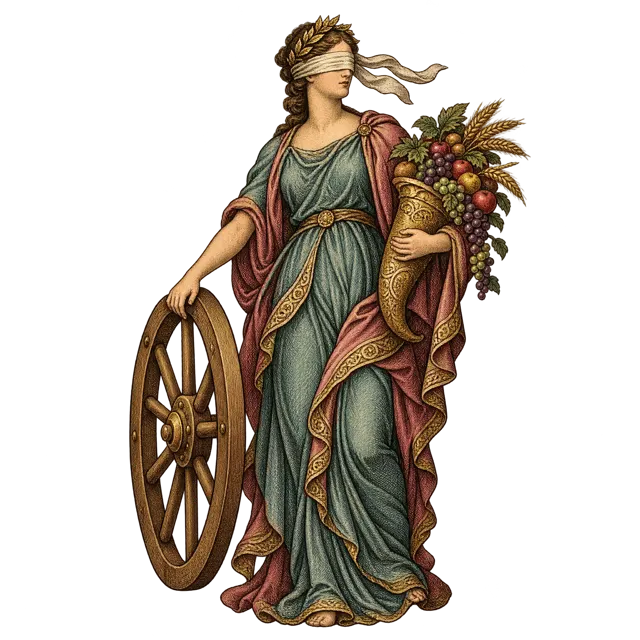
A Personal Year or Personal Month can give a planning theme: begin, cooperate, communicate, build, adapt, care, study, steward, complete. It cannot make an untested offer ready, a trademark available, a contract fair, or a cash gap harmless. Use the cycle to choose the emphasis of a review, then let readiness decide the action. “Begin” may mean interviewing customers, not announcing a company.
Create gates for consequential moves. Launch after the offer is understandable, the customer can be reached, delivery is possible, basic costs are known, required permissions are in place, and the downside is survivable. Hire after the role and economics are clear. Add a partner after a real project has revealed pace, honesty, conflict, and follow-through. Timing should sharpen preparation, not excuse skipping it.
Use a weekly founder review that returns to facts
Once a week, write the symbolic theme in one sentence, then close the interpretation and review the business. Count customer conversations, proposals, sales, delivery hours, direct costs, cash collected, repeat requests, and open risks. Name the strongest evidence for continuing and the strongest evidence against your current assumption. Decide one action to repeat, one to stop, and one uncertainty to test.
This rhythm protects both imagination and honesty. It gives the symbol a place without allowing it to rewrite inconvenient results. Over time, the review becomes a record of what genuinely fits you: the customers you understand, the promises you can fulfill, the pace you can sustain, the collaborators who improve the work, and the habits that repeatedly create avoidable chaos.
Sources and editorial method
Research and editorial references used for this page include:
- U.S. Small Business Administration: Plan your business - Practical reference for market research, competitive analysis, business planning, startup costs, and testing demand.
- U.S. Small Business Administration: Launch your business - Practical reference for business names, registration, structure, licenses, banking, and insurance.
- Internal Revenue Service: Business structures - Official overview of common U.S. business structures and the tax-return implications of the entity selected.
Symbolic meanings are kept separate from business evidence. Practical statements follow official planning, startup, and business-structure guidance, while individualized legal, tax, and financial decisions remain outside this guide.
Related reading
From the method to your own numbers
Your numbers,
worked out for you.
- A personal reading about love, work or purpose, written from your chart
- A practical next step to consider
- It opens with 7 days free, with the AI Oracle and daily guidance
$0 today, then $12/month after 7 days. Cancel anytime.
Common questions
Can numerology predict whether my business will succeed?
No. It can frame reflection about style and timing, but success depends on demand, execution, economics, law, competition, circumstances, and many other factors.
What numbers should an entrepreneur calculate?
If you use numerology, start with the Life Path and Personal Year. Add an Expression or business-name number only when it answers a distinct question. More numbers do not guarantee a better decision.
Is there a lucky day to launch a business?
A date can carry a symbolic theme, but operational readiness matters more. Choose a date your systems, customers, delivery, and legal requirements can support.
Can numerology choose my niche?
It can suggest qualities you may enjoy using. Niche selection still requires customer access, a real problem, credible skill, willingness to pay, and a model you can deliver.
How do I know whether an interpretation is useful?
It should produce a testable hypothesis or healthier operating habit. If it creates certainty without evidence, fear, passivity, or endless confirmation-seeking, step back.
Free, by email
The Almanac, in your inbox at 7
One short letter at 7 each morning: the day’s theme read for your own chart, and one thing to do with it.
