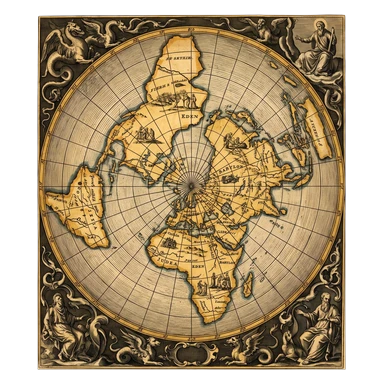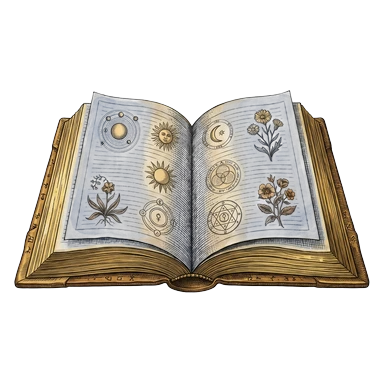
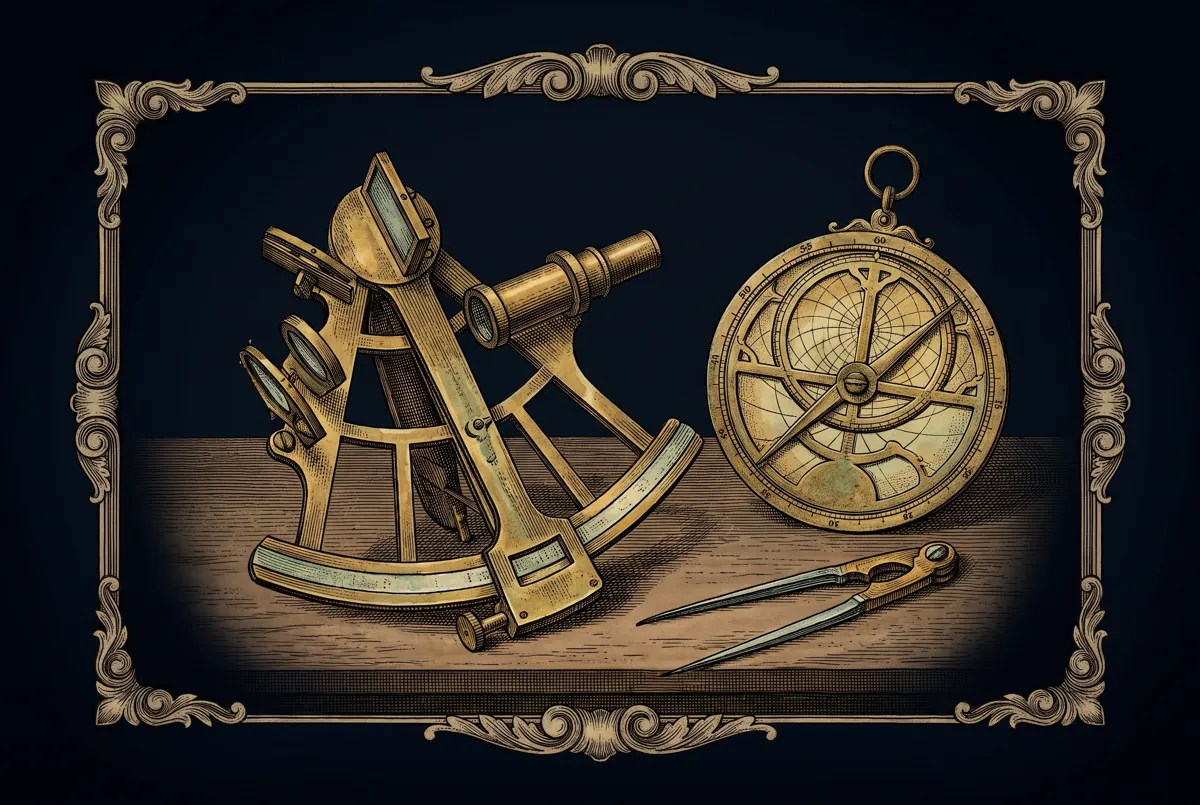
Old instruments
Almanac
Direct answer
Almanac: An Almanac is a reference work, traditionally issued for a particular year, that organizes calendar information and practical data such as astronomical events, anniversaries, seasonal notes, tables, and civic facts.
An Almanac is a date-organized reference that gathers practical yearly information.
$0 today, then $12/month after 7 days. Cancel anytime.
At a glance
- Found in
- Historical Almanacs & Instruments
- Related
- Astronomical Almanac, Nautical Almanac, Astrolabe, Armillary Sphere
An Almanac is a date-organized reference that gathers practical yearly information.
An engraved functional orientation; the page explains the real instrument, method, or publication.
What does your own chart say about you?
Choose love, work or purpose. Your reading is written from your chart. Your reading uses your own birth details.
Walk through Alex’s whole example first
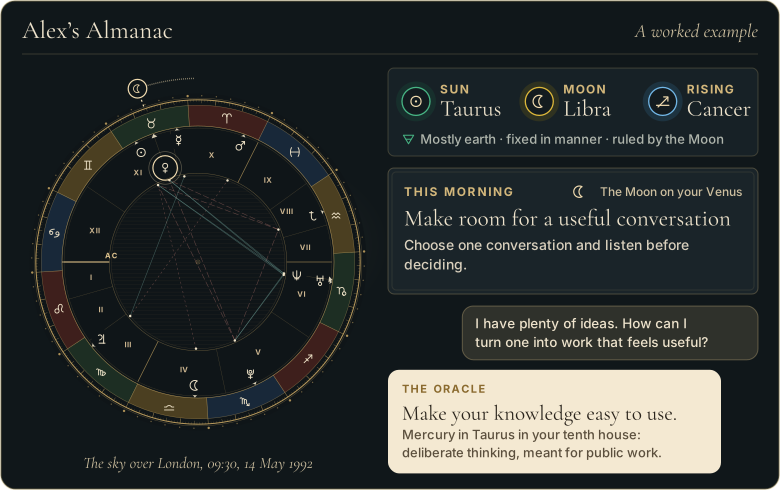
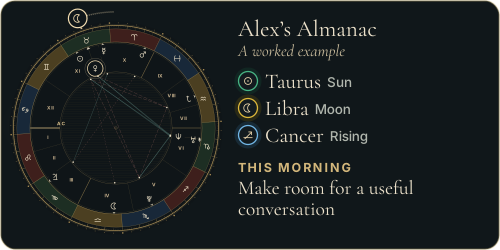
 The Road of AgesSee the turning points of your whole life, from your birth date
See your road's shape
The Road of AgesSee the turning points of your whole life, from your birth date
See your road's shape
Prefer to explore first?
 The Road of AgesThe turning points of your whole life, from your own chart
Walk my road
The Road of AgesThe turning points of your whole life, from your own chart
Walk my road
Free, by email
Your daily Almanac letter
One short letter at 7 each morning: the day’s theme read for your own chart, and one thing to do with it.
The story behind Almanac
Printed almanacs circulated widely for centuries, combining calendars and astronomical tables with regional, commercial, literary, medical, religious, or political material.
A one-minute story
The Book of the Sky
How people learned to read the sky, from Babylon to the day you were born.

Why Almanac matters
The form brings many kinds of time-sensitive knowledge into one navigable place and is the historical model for a broad, living annual guide.
Almanac in practice: an example
A modern almanac page might pair a dated sky event with local rise times, a calendar explanation, and links to the underlying observatory data.
Where readings of Almanac go wrong
An almanac is a format, not a guarantee of accuracy; historical weather, health, and divination claims require source criticism and clear labeling.
Sources and editorial method
Research references used for this entry include:
- Library of Congress: American Almanacs, Seventeenth through Nineteenth Centuries - Authoritative collection context for the history and breadth of printed American almanacs.
- U.S. Naval Observatory: Astronomical and Navigational Almanacs - Official description of current Astronomical Almanac and Nautical Almanac publications.
- Source
- The Great Almanac Dictionary
- Category
- Historical Almanacs & Instruments
- Last updated
- 2026-09-26
Browse the living almanac
A definition tells you what it is; your own birth chart tells you what it means for you. The Oracle casts your real chart and answers for your love, your work, and your year ahead, in conversation. It opens with the 7-day Seeker trial.
Speak with the OracleRelated terms
More in Historical Almanacs & Instruments
- Astronomical Quadrant
- Compass Rose
- Equinoctial Ring Dial
- Line of Position
- Meridian Circle
- Repeating Circle
- Sun Sight
From the reference page to your own chart
Every word here
is in your own chart.
- A personal reading about love, work or purpose, written from your chart
- A practical next step to consider
- It opens with 7 days free, with the AI Oracle and daily guidance
$0 today, then $12/month after 7 days. Cancel anytime.
Common questions
What is an Almanac?
An Almanac is a reference work, traditionally issued for a particular year, that organizes calendar information and practical data such as astronomical events, anniversaries, seasonal notes, tables, and civic facts.
What do people get wrong about an Almanac?
An almanac is a format, not a guarantee of accuracy; historical weather, health, and divination claims require source criticism and clear labeling.
Free, by email
The Almanac, in your inbox at 7
One short letter at 7 each morning: the day’s theme read for your own chart, and one thing to do with it.