Dictionary term

Lithomancy

Direct answer

Lithomancy is divination using stones or stone arrangements.

Lithomancy means divination using stones or stone arrangements.

Spells & Occult TermsThe Great Almanac DictionaryUpdated 2026-06-12
Source
The Great Almanac Dictionary
Category
Spells & Occult Terms
Also appears in
Spells & Occult Terms
Aliases
None listed
Last updated
2026-06-12

Quick reference

Meaning
Lithomancy is divination using stones or stone arrangements.
Use when
Use Lithomancy as a reference point for occult vocabulary, divination history, folk practice terminology, and safety-aware non-operational education.
Do not use it for
Do not provide casting methods or stone meanings.
Reference category
Spells & Occult Terms
Related terms
Spell, Grimoire, Discernment, Spiritual Warfare
Key takeaways

Why does Lithomancy matter?

Lithomancy matters because it links mineral objects with chance-based interpretation traditions.
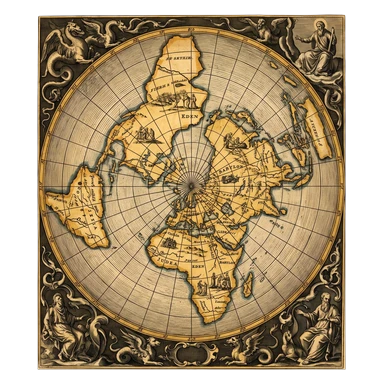
Example in a reading: Lithomancy would be explained as historical or symbolic vocabulary. It links mineral objects with chance-based interpretation traditions. The page should not provide methods, ritual steps, or spirit-contact instructions.
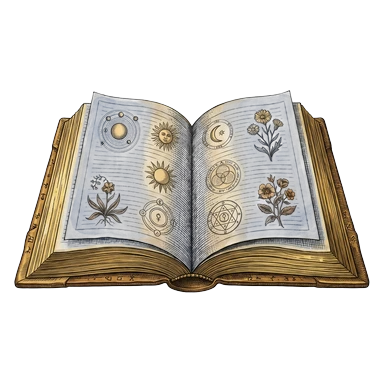
Interpretive caution: Do not provide casting methods or stone meanings.

How is Lithomancy used?

Use Lithomancy as a reference point for occult vocabulary, divination history, folk practice terminology, and safety-aware non-operational education.

Example of Lithomancy in a reading

Lithomancy would be explained as historical or symbolic vocabulary. It links mineral objects with chance-based interpretation traditions. The page should not provide methods, ritual steps, or spirit-contact instructions.

What to avoid when interpreting Lithomancy

Do not provide casting methods or stone meanings.

What does Lithomancy mean spiritually?

Spiritually, Lithomancy asks whether curiosity is staying educational rather than operational.

The Great Almanac frames Lithomancy with educational restraint. Mystical or symbolic language may be meaningful, but it should not be exaggerated into certainty, panic, or permission to ignore ordinary responsibility.

What does Lithomancy mean in the Bible?

Lithomancy: It should be studied historically and symbolically; The Great Almanac does not teach occult practice or spirit contact.

Historical and traditional context

This term appears in occult literature, folk magic, spiritualist culture, ceremonial magic, or divination history depending on the tradition.

How does The Great Almanac interpret Lithomancy?

Within The Great Almanac, Lithomancy is part of a safety-aware spiritual reference layer designed to provide educational clarity and dispel anxiety. When exploring this concept, the app delivers direct definitions while framing them within healthy spiritual boundaries. This ensures readers are consistently guided away from obsession or fear-based panic, and are instead supported with themes of prayer, discernment, practical responsibility, and real-world care.

Educational framing

Information on Lithomancy is presented strictly for educational, historical, and devotional purposes. Complex or sensitive spiritual topics are approached with absolute calm and balance, avoiding any ritual instructions, superstitions, or exaggerated claims. If you are experiencing distress, anxiety, or safety concerns related to these themes, we warmly encourage seeking support from trusted local pastoral, clinical, or counseling resources to ensure your well-being.

Safety note

Lithomancy is explained as history, language, and symbolism only. The Great Almanac does not provide spell-casting, invocation, evocation, conjuration, binding, or manipulation instructions.

Sources and editorial method

This entry was generated from The Great Almanac's curated dictionary data and editorial safety rules. It is written as a concise reference page, not as a full encyclopedia article or a practical ritual manual.

The page starts with a direct definition, then separates use, example, caution, spiritual meaning, and historical context. For astrology, occult, demonology, curse, and spiritual warfare terms, the editorial rule is to explain the term without making fear-based, fatalistic, medical, legal, financial, or ritual-instruction claims.

Personalized next step

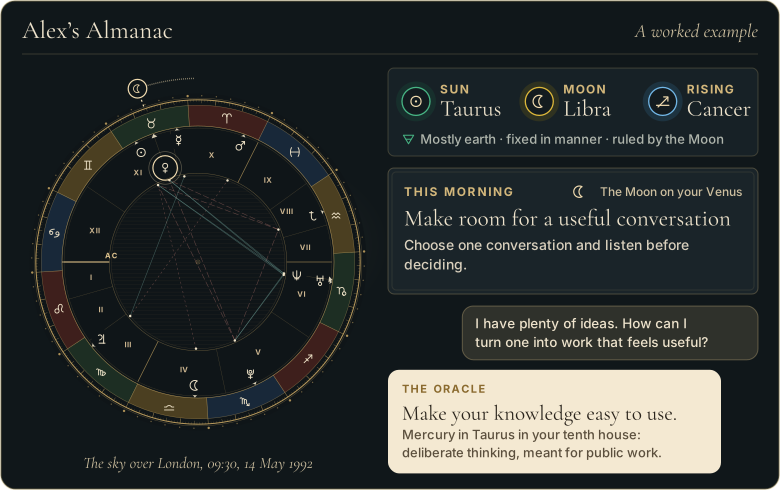
See how Lithomancy connects to your own birth chart, numerology, spiritual timing, and personal almanac.

Get your free personalized reading

These related entries help place Lithomancy inside a wider reference cluster instead of leaving it as a standalone keyword.

SpellSpell means a magical formula or action, explained here as history and vocabulary only. GrimoireGrimoire means a magic book, studied here as literary and historical material only. DiscernmentDiscernment tests what is true, fruitful, loving, and grounded. Spiritual WarfareSpiritual Warfare is sober resistance to evil, not fear-based obsession with unseen enemies. Christian Curse ProtectionChristian Curse Protection means Christ-centered peace, not Christianized counter-magic.

Common questions

What is Lithomancy?

Lithomancy is divination using stones or stone arrangements.

How should Lithomancy be studied safely?

Use Lithomancy as a reference point for occult vocabulary, divination history, folk practice terminology, and safety-aware non-operational education.

What should I avoid when interpreting Lithomancy?

Do not provide casting methods or stone meanings.

Make it personal

Turn this guide into your own daily reading

Public guides explain the language. The app applies it to your birth data, live transits, timing windows, saved questions, and daily recalibration so the advice becomes specific instead of generic.

Start free reading
Enter a birth date to reveal the number path.
Use your birthday to check this year's theme.
Jump to the exact sign pairing page.
Cast your full chartSun, Moon, rising, houses, and natal evidence.
Method-limited Faith-aware No fatalism Educational only Methodology AI use Editorial standards

Read more

Explore more Almanac guides

Keep moving through the archive: signs, compatibility, chart timing, faith-aware discernment, and practical daily guidance.