Name numerology
Cornerstone Letter
Direct answer
Identify the name convention first (usually the full birth name or first given name) then take its first alphabetic letter. Convert it through the selected numerology table only if that author reads both letter symbolism and number value.
The Cornerstone is the first letter of a name in some modern Western numerology systems, interpreted as a symbolic style of beginning tasks and meeting opportunities.
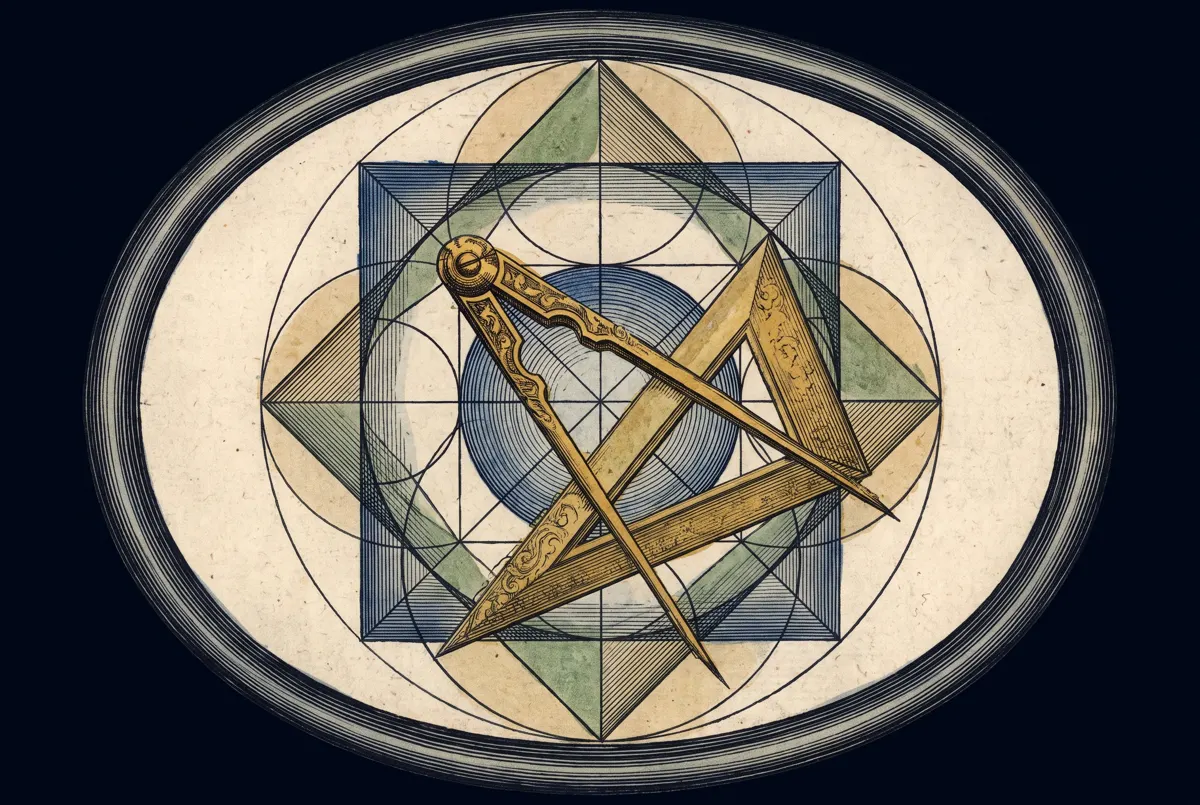
Cornerstone Letter means the first letter of a name used as a symbolic first-response marker.
The visual isolates the number or calculation pattern; the page explains its interpretation and limits.Quick facts
| Question | Direct answer |
|---|---|
| Position | The first letter of the selected name. |
| Common symbolic topic | How a person initiates, approaches opportunities, or makes a first impression. |
| Related positions | Capstone for the final letter and First Vowel for inner motivation in some systems. |
| Is the name rule universal? | No. Birth name, first name, and current name methods differ. |
The Instruments
Ten readings, worked out from your own birth chart
An instrument is a reading this house works out for you. Give your birth date, time and place once, and each one reads today’s real sky against the chart you were born under. Eight are personal; two are calendars anyone can open. A free account opens one instrument a day. The plans open every instrument, every day.
- Natal Chart Every planet, house and aspect in your chart
- Active Transits Where the planets are now, read against your chart
- Daily Counsel What to pursue today, and what to leave alone
- Personal Timing Your best days to decide, weeks ahead
- Fellowship Your chart and another, read side by side
- Theme of the Day The one thing today is asking of you
- Sacred Numbers Your life path, your cycles, your name in numbers
- Aeolian Harmonics Classical music chosen to match your chart
- Mercury Retrograde Every Mercury retrograde this year, with its dates Open to all
- Void-of-Course Moon When the Moon is between signs, hour by hour Open to all




Why the first letter is called a Cornerstone
A cornerstone begins and helps orient a structure, so modern numerologists use the metaphor for the first letter that begins a name. They may read it as the style used to start projects, enter a room, respond to opportunity, or establish identity. This is an analogy, not a linguistic law. Initial letters differ across alphabets, transliterations, nicknames, and naming customs. A meaningful calculation therefore states the exact written name and language. It should not imply that cultures without the same alphabet secretly fit an English A-to-Z table.
Birth name, first name, or current name?
Many systems privilege the full name recorded at birth, making its first letter the Cornerstone. Others use the first given name because it is the everyday spoken identity, and some compare a changed name with the original. These choices can produce different letters for someone with multiple given names, surname-first traditions, adoption, transliteration, religious names, or marriage-related changes. There is no empirical reason one must be correct. Honor the person’s actual naming context, preserve diacritics when possible, and never deadname someone merely to satisfy a chart convention.
Letter quality and numerical value
A practitioner may give each initial a direct alphabetic description, group it by shape or sound, or convert it through a Pythagorean mapping from letters to 1–9. For example, A, J, and S commonly map to 1 in that table, but authors may still describe their letter forms differently. Keep those layers separate. If S is called flexible because of its shape and also assigned the number 1, explain both interpretive steps. A letter cannot establish confidence, honesty, leadership, or compatibility; use it as a prompt to examine actual beginnings and habits.
A practical way to test the theme
Choose three recent beginnings: a project, relationship, and difficult conversation. Record what you did first, what helped, and what delayed progress. Only then compare the observations with the Cornerstone keywords. Look actively for a counterexample. If the letter description says “direct” but the examples show careful preparation, revise or reject the reading. This approach prevents a vague adjective from becoming identity. A useful symbol should sharpen observation and choice; it should not force a name bearer to perform a personality assigned to millions of people with the same initial.
Method, variation, and limits of Cornerstone Letter
Modern numerology has no single international standard, and Cornerstone Letter may be calculated or worded differently by different authors. A responsible explanation therefore shows the arithmetic, names the system being used, preserves intermediate compound numbers when they matter, and does not quietly change methods to obtain a preferred answer. Numerological meanings belong to a symbolic and divinatory tradition; they have not been scientifically validated as measurements of character, destiny, compatibility, or future events. The result can serve as a structured reflection prompt, but it should not determine a health, relationship, employment, financial, or safety decision. Apparent repetitions are also common in ordinary life, so attention and confirmation bias should be considered before treating a number as a personal message.
Sources and editorial method
Research and editorial references used for this page include:
- Encyclopaedia Britannica: Numerology - Context for number and name divination.
- World Numerology: The Cornerstone - Practitioner source for the modern Cornerstone convention.
These references support the factual, historical, textual, or interpretive claims on this page. Interpretive traditions are identified as such, and factual claims are kept separate from symbolic claims.
Related reading
Read your number pattern
Cornerstone Letter in a book is one thing; Cornerstone Letter in your own birth chart is your life. The Oracle casts your real chart and tells you what it means for your love, your work, and your year ahead, in conversation, free.
Speak with the OracleYour personal year and the numbers in your name are written once in the Cosmic Codex: your whole year, month by month. Open the Cosmic Codex
More in Numerology
- Kabbalistic Numerology
- Lo Shu Missing Number
- New Beginning Cycle
- Number 5 Meaning
- Numerology Challenge
- Personal Year Number
- Triple Number Pattern
- Arrow of Spirituality
Common questions
What is my Cornerstone letter?
It is the first letter of the name selected under your numerology method, often the recorded birth name or first given name.
What if my name begins with a non-Latin character?
Use a method designed for that language or disclose the transliteration; do not pretend English mapping is universal.
Does changing my name change the Cornerstone?
It changes the current-name initial, while some systems retain the birth-name value as a separate baseline.