Astrology
Astrotheology
Direct answer
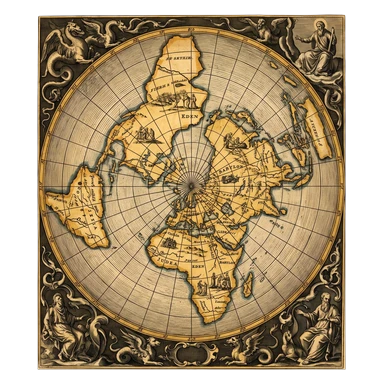
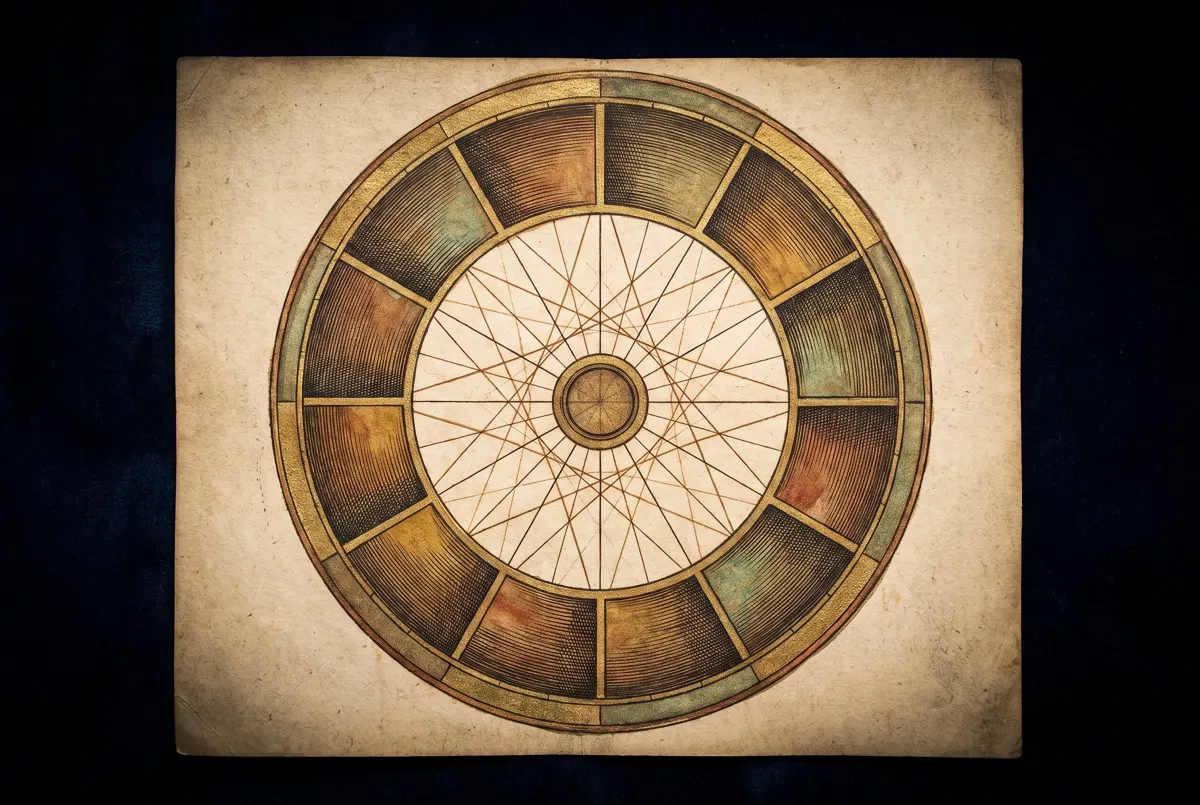
Astrotheology studies relationships between celestial symbolism, myth, religion, theology, sacred calendars, solar imagery, lunar cycles, and ritual time.
Astrotheology examines how sky symbolism appears in religious and theological systems.
$0 today, then $12/month after 7 days. Cancel anytime.
At a glance
- In astrology
- Astrotheology is adjacent to astrology but not identical with natal chart reading.
- Found in
- Astrology
- Related
- Astrology, Birth Chart, Zodiac, Biblical Astrology
Astrotheology examines how sky symbolism appears in religious and theological systems.
A structural orientation; exact placements depend on the chart or technique being discussed.
What does your own chart say about you?
Choose love, work or purpose. Your reading is written from your chart. Your reading uses your own birth details.
Walk through Alex’s whole example first
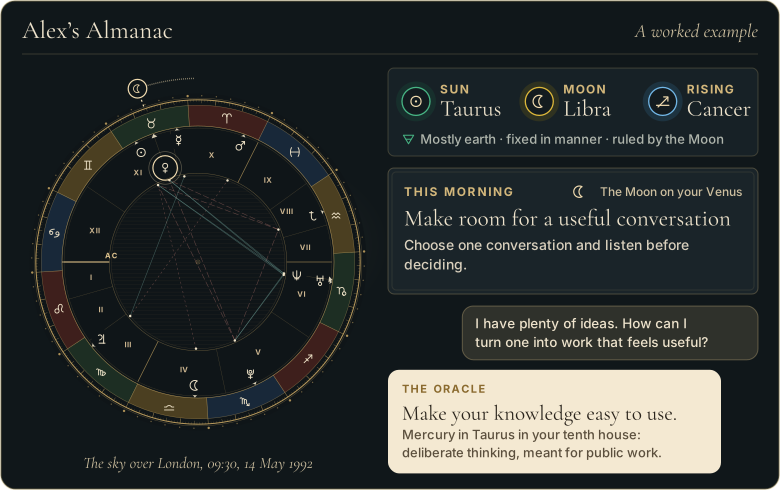
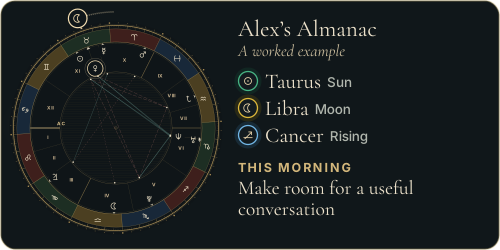
 The Road of AgesSee the turning points of your whole life, from your birth date
See your road's shape
The Road of AgesSee the turning points of your whole life, from your birth date
See your road's shape
Prefer to explore first?
 The Road of AgesThe turning points of your whole life, from your own chart
Walk my road
The Road of AgesThe turning points of your whole life, from your own chart
Walk my road
Free, by email
Your daily Almanac letter
One short letter at 7 each morning: the day’s theme read for your own chart, and one thing to do with it.
What sets Astrotheology apart
The word has two nearly opposite histories. William Derham's Astro-Theology (1715) argued from the order of the heavens to the existence and wisdom of God. The later use, from Charles Dupuis (Origine de tous les cultes, 1795) onward, reads religious stories and calendars as sun, moon and star symbolism; that reading is contested, and others hold the sky is a created sign of God's order, not the source of the story.
- Derham: Astro-Theology (1715): the heavens as a demonstration of God's being and attributes
- Dupuis: Origine de tous les cultes (1795): religions read as celestial allegory
- Biblical hook: Genesis 1:14, lights 'for signs and for seasons and for days and years'
- Calendar link: Christmas near the winter solstice and Easter by a rule tied to the equinox and the Moon
- House source: J. H. Hill, whom the house treats as one reading and not as settled fact
Often mistaken for something else: Astrology works with the positions of bodies in a chart; astrotheology compares sky cycles with religious symbol and calendar.
A one-minute story
The Book of the Sky
How people learned to read the sky, from Babylon to the day you were born.

The story behind Astrotheology
Astrotheology is a modern term applied to older intersections of astronomy, myth, calendar, ritual, and theology.
The spiritual meaning of Astrotheology
Spiritually, Astrotheology should invite careful symbolic literacy, not cynical flattening of belief.
Astrotheology in astrology
It studies religious-symbolic use of celestial patterns more than personal placements.
Why Astrotheology matters
Astrotheology matters because it can clarify symbolic parallels between sky, calendar, and sacred story. It can also overreach if it reduces living faith traditions to astronomy or myth alone.
How to read Astrotheology
Astrotheology speaks to historical and symbolic comparison between celestial cycles, religious imagery, sacred calendars, and theological interpretation.
Astrotheology in practice: an example
A discussion of solar symbolism in religious art may be astrotheological without claiming the religion is only sun worship.
Where readings of Astrotheology go wrong
The usual misreading is to reduce Christianity or any faith tradition to astrology or myth parallels.
Sources and editorial method
This entry summarizes the tradition in the Almanac's own words; where no source is listed, it is an editorial summary rather than a primary text, and symbolic readings are named as the tradition's, not as fact.
- Source
- The Great Almanac Dictionary
- Category
- Astrology
- Also appears in
- Mystical Systems
- Last updated
- 2026-09-26
Study sacred sky symbolism
Astrotheology in a book is one thing; Astrotheology in your own birth chart is your life. The Oracle casts your real chart and tells you what it means for your love, your work, and your year ahead, in conversation. It opens with the 7-day Seeker trial.
Speak with the OracleHow Astrotheology lives in your own chart across your year, in love, in work, in timing, is written in the Cosmic Codex: the whole year, once. Open the Cosmic Codex
Related terms
More in Astrology
- Contra-Antiscia
- Element
- Great Year
- Lot of Children
- Mundane Astrology
- Progression
- Solar Return Lord
- Yod
From the reference page to your own chart
Every word here
is in your own chart.
- A personal reading about love, work or purpose, written from your chart
- A practical next step to consider
- It opens with 7 days free, with the AI Oracle and daily guidance
$0 today, then $12/month after 7 days. Cancel anytime.
Common questions
What is Astrotheology?
Astrotheology studies relationships between celestial symbolism, myth, religion, theology, sacred calendars, solar imagery, lunar cycles, and ritual time.
Where does Astrotheology come from?
Astrotheology is a modern term applied to older intersections of astronomy, myth, calendar, ritual, and theology.
What does Astrotheology mean in astrology?
Astrotheology is adjacent to astrology but not identical with natal chart reading. It studies religious-symbolic use of celestial patterns more than personal placements.
What does Astrotheology look like in a birth chart?
A discussion of solar symbolism in religious art may be astrotheological without claiming the religion is only sun worship.
What does Astrotheology mean spiritually?
Spiritually, Astrotheology should invite careful symbolic literacy, not cynical flattening of belief.
Free, by email
The Almanac, in your inbox at 7
One short letter at 7 each morning: the day’s theme read for your own chart, and one thing to do with it.